

7 Ways High-Visibility Clothing Can Save Lives: Essential Safety Tips
High-visibility garments, commonly referred to as hi-vis workwear, are essential safety gear in a wide range of workplaces. These garments are specifically designed to make the wearer more visible, particularly in low-light conditions. The significance of workplace safety cannot be overstated, and wearing high-visibility clothing is a straightforward yet highly effective way to prevent accidents and save lives.
1. Key Considerations When Choosing High-Visibility Clothing:
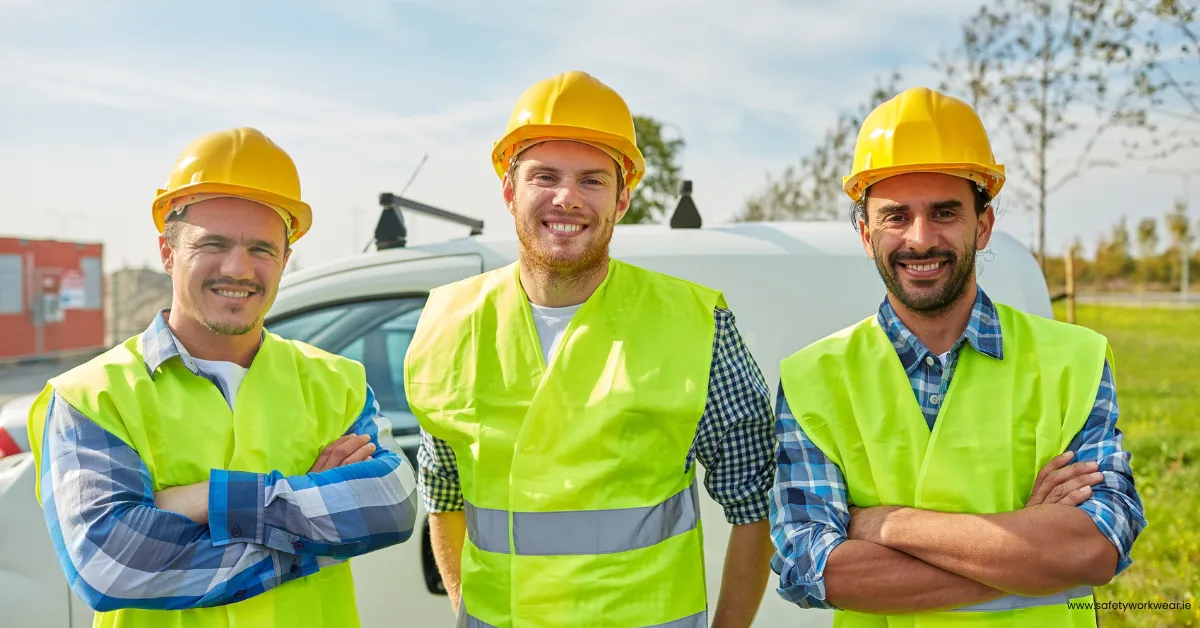

When selecting high-visibility clothing, two critical factors should be taken into account: material quality and visibility level.
Material Quality and Durability
High-visibility clothing must be crafted from durable materials capable of withstanding the demands of the workplace. The fabric should be tear-resistant and able to endure frequent washing without compromising its visibility properties. Moreover, the quality of the reflective strips should be high, ensuring they remain effective over time.
Visibility Level
The visibility level of the clothing is determined by its colour and the quality of its reflective strips. The garments should be bright and easily noticeable both during the day and at night. Reflective strips should cover sufficient areas of the clothing to ensure visibility from all angles.
2. The Importance of Wearing High-Visibility Clothing:
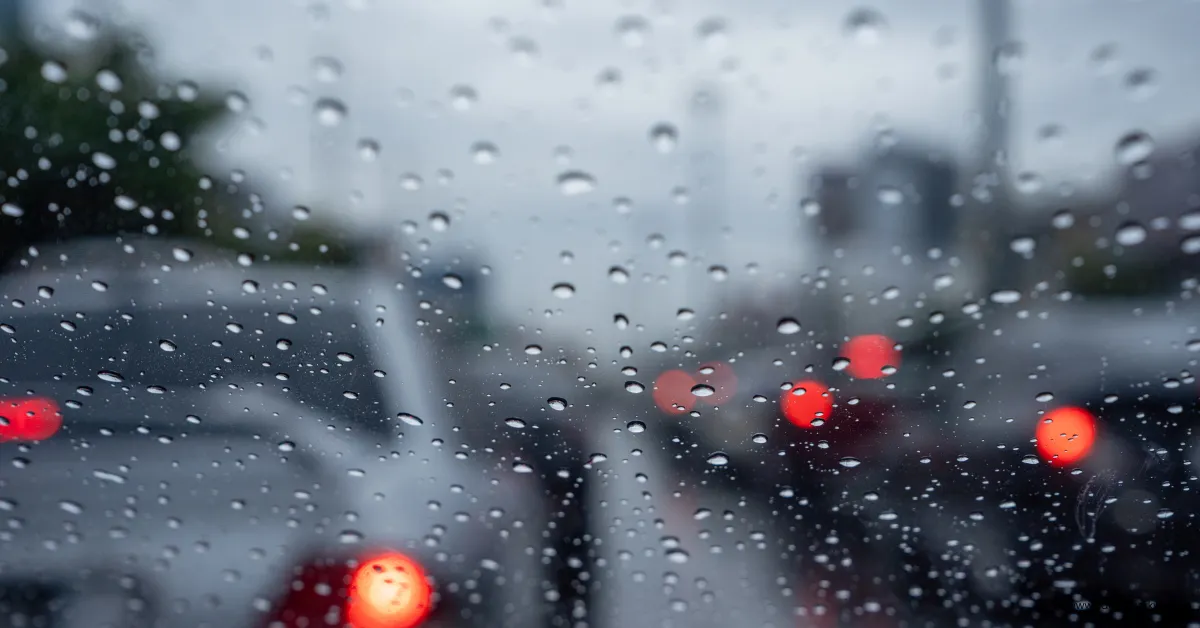

Wearing high-visibility clothing is crucial for several reasons:
Enhances Visibility in Low-Light Conditions
Hi-vis garments are designed to stand out in low-light conditions, such as early mornings, evenings, or during adverse weather. This increased visibility helps to prevent accidents by making the wearer more noticeable to others, whether they are driving vehicles, operating machinery, or navigating hazardous areas.
Reduces the Risk of Accidents and Injuries
By making workers more visible, high-visibility clothing significantly reduces the risk of accidents and injuries. This is particularly vital in environments where workers are exposed to moving vehicles or machinery. Enhanced visibility allows drivers and machine operators to see workers from a distance, enabling them to take necessary precautions to avoid collisions.
3. When to Wear High-Visibility Safety Clothing:
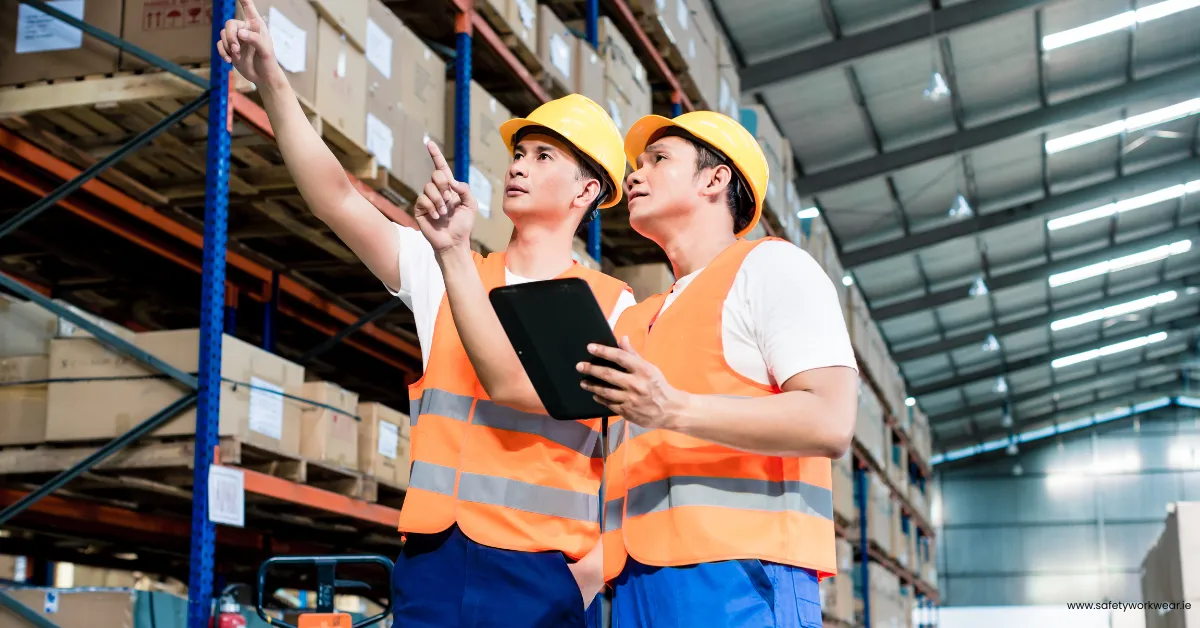

High-visibility safety clothing should be worn in various situations to ensure maximum safety:
Construction Sites
Construction sites are busy environments, often with heavy machinery and vehicles in operation. Workers must wear hi-vis clothing to remain visible and safe.
Roadwork and Traffic Management
Those involved in roadwork and traffic management are frequently exposed to fast-moving vehicles. Hi-vis clothing ensures that drivers can see them from a distance, thereby reducing the risk of accidents.
Warehouses and Industrial Environments
In warehouses and industrial settings, forklifts and other machinery are regularly in use. Hi-vis clothing helps operators spot workers easily, preventing accidents.
Emergency Response Situations
Emergency responders, such as firefighters and paramedics, often work in dangerous and chaotic environments. Hi-vis clothing ensures they remain visible to both colleagues and the public, thereby enhancing their safety.
4. Classes of High-Visibility Clothing:
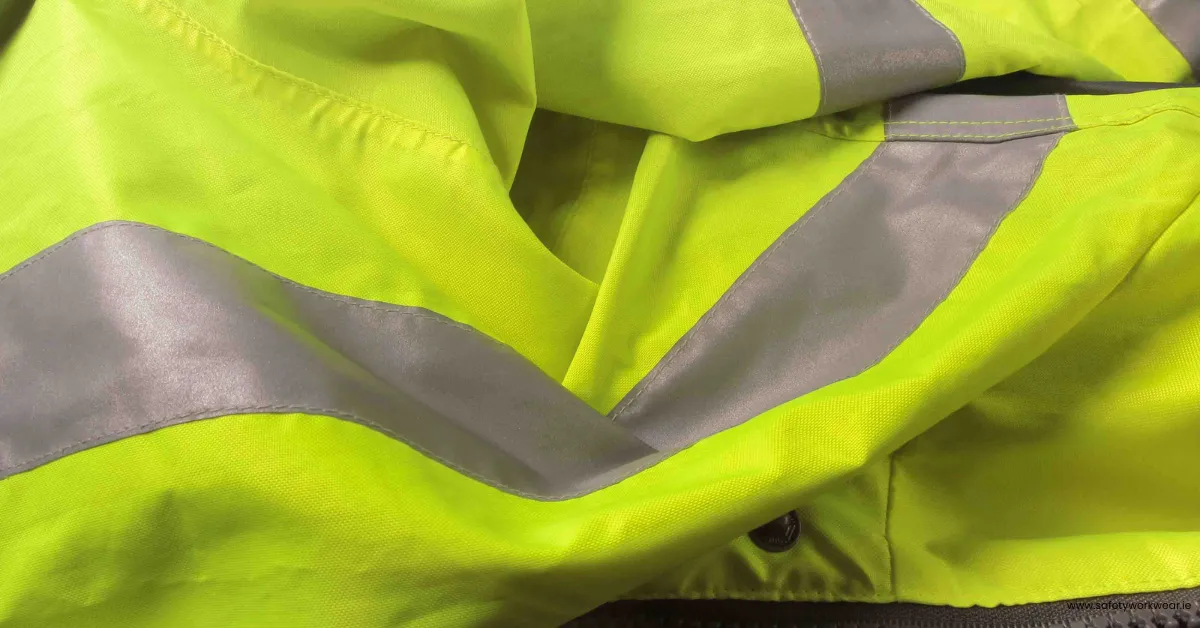

High-visibility clothing is categorised into three classes, based on the level of visibility they provide:
Class 1: Lower Visibility
Class 1 garments offer the lowest level of visibility and are suitable for off-road activities where there is minimal risk from moving vehicles. These garments are typically used in low-risk environments.
Class 2: Intermediate Visibility
Class 2 garments provide intermediate visibility and are ideal for environments with higher risks, such as construction sites and traffic management areas. These garments offer more visibility than Class 1 and are often worn by workers exposed to moderate traffic speeds.
Class 3: Highest Visibility
Class 3 garments offer the highest level of visibility and are designed for the most hazardous situations. These garments provide maximum visibility and are suitable for workers in high-risk environments, such as highway maintenance and emergency response.
5. Best High-Visibility Colours:
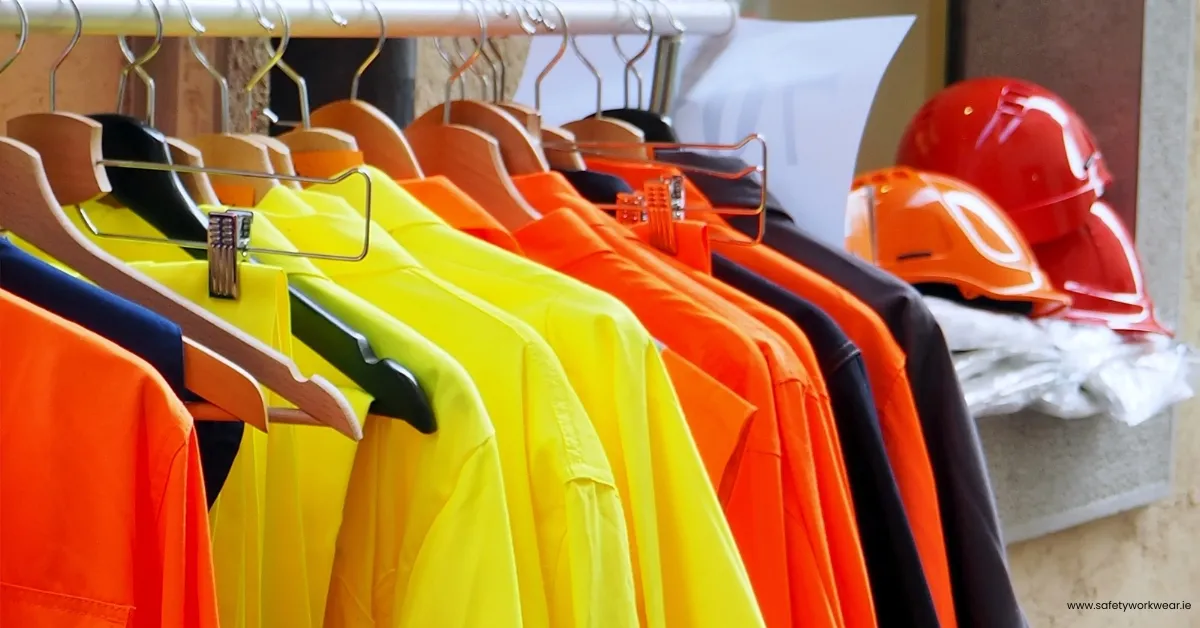
The most effective high-visibility colours are fluorescent yellow-green and fluorescent orange-red. Both colours are highly visible in various lighting conditions.
Fluorescent Yellow-Green
This colour is highly visible during both the day and at night. It stands out against most backgrounds, making it an excellent choice for high-visibility clothing.
Fluorescent Orange-Red
This colour is also highly visible and is frequently used in roadwork and traffic management. It is easily noticeable against various backgrounds and in different lighting conditions.
Both colours are effective, but the choice may depend on the specific environment and personal preference.
6. When to Wear a High-Visibility Vest and Who Should Wear It:
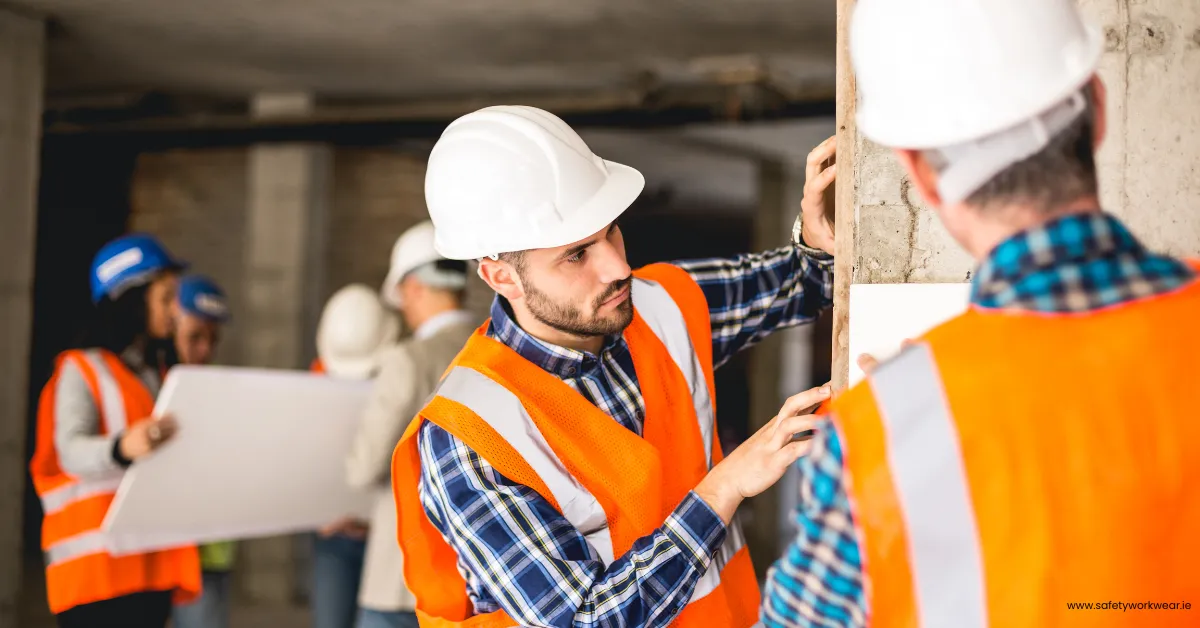
High-visibility vests should be worn in any situation where increased visibility is necessary:
Specific Job Roles
Workers in construction, roadwork, traffic management, and warehouse operations should wear high-visibility vests to ensure they are easily seen by others.
Situations Demanding Additional Visibility
Hi-vis vests are also essential during night shifts, adverse weather conditions, or any situation where visibility is reduced. Emergency responders, including police officers, firefighters, and paramedics, should also wear these vests to remain visible in chaotic environments.
7. How Often to Replace High-Visibility Clothing?
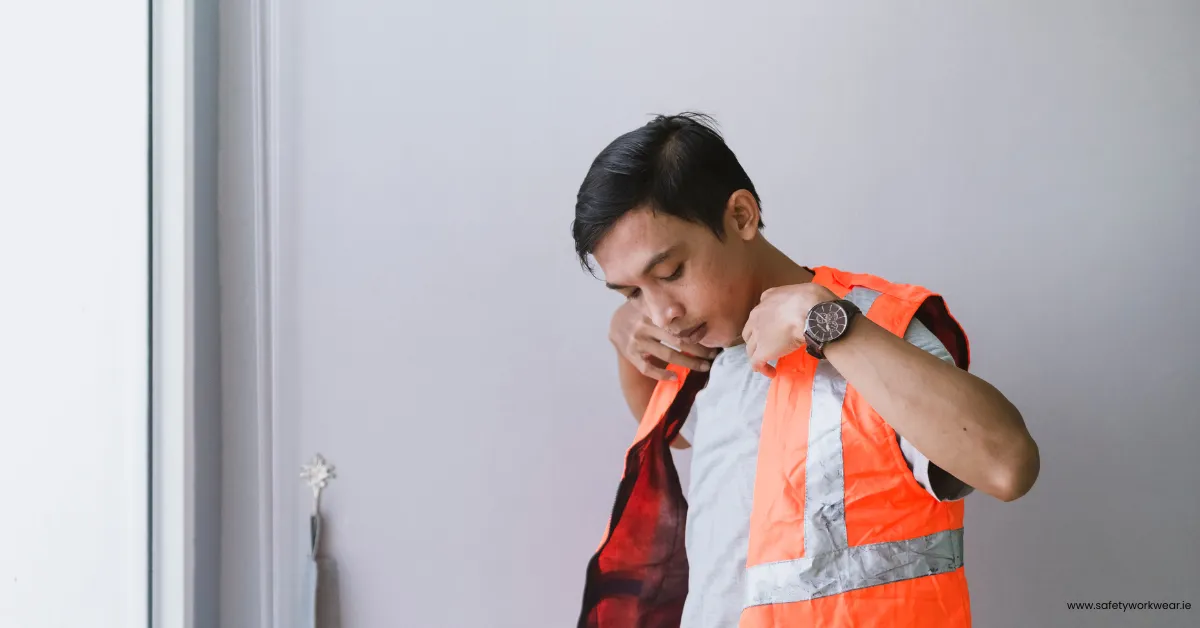
High-visibility clothing should be replaced regularly to maintain its effectiveness:
Signs of Wear and Tear
If the garment shows signs of wear and tear, such as fraying fabric or damaged reflective strips, it should be replaced immediately.
Fading of Colours and Reflective Strips
Over time, the colours and reflective strips on high-visibility clothing can fade, reducing their effectiveness. It is important to replace the clothing once the visibility properties diminish.
General Guidelines on Replacement Frequency
As a general rule, high-visibility clothing should be inspected regularly and replaced every six months to a year, depending on the level of use and the working conditions.
Conclusion
High-visibility clothing is an essential component of workplace safety. By making workers more visible, it helps prevent accidents and saves lives. Whether in construction, roadwork, or emergency response situations, wearing high-visibility garments is a simple yet effective way to enhance safety and protect lives. Regularly inspecting and replacing high-visibility clothing ensures it remains effective, providing maximum protection for those who need it most.
Stay informed, stay protected, and always prioritise safety!
Don’t forget to explore our extensive range of Hi-Vis Clothing & Safety Workwear to ensure your protection on the job. For more valuable safety tips and product insights, visit our blog. If you have any questions or need assistance, feel free to contact us at: customerservices@safetyworkwear.ie