


Busting PPE Myths: The Truth Behind Your Safety Gear
Personal Protective Equipment (PPE) is essential for ensuring safety in many workplaces, from construction sites to laboratories. However, despite its importance, there are several myths and misconceptions about PPE that can lead to improper usage and decreased safety. This guide will address these myths and provide crucial information about PPE regulations in Ireland, the lifespan of PPE, common types of PPE, maintenance and storage guidelines, and best practices for selecting the appropriate PPE for different tasks.
What Regulations Apply to PPE in Ireland?

In Ireland, PPE is regulated to ensure that it meets certain safety standards. The key regulations include:
-
Safety, Health and Welfare at Work Act 2005: This act requires employers to ensure the safety, health, and welfare of their employees, which includes providing appropriate PPE.
-
European Union (Personal Protective Equipment) Regulations 2018: These regulations ensure that PPE placed on the market complies with basic health and safety requirements and bears the CE mark, indicating conformity.
Employers must perform risk assessments to identify hazards and determine the necessary PPE. They are also responsible for providing training on the correct use and maintenance of PPE.
Myth 1: PPE Is Uncomfortable and Reduces Productivity

One of the most persistent myths about PPE is that it’s uncomfortable and hinders productivity. While it’s true that early designs of PPE may have been bulky or uncomfortable, modern advancements have led to PPE that is both comfortable and functional. Today’s PPE is designed with ergonomic features, breathable materials, and adjustable fittings to ensure maximum comfort. When properly fitted, PPE should not impede your ability to work but rather enhance your productivity by keeping you safe and focused.
Myth 2: If You're Careful, You Don’t Need PPE
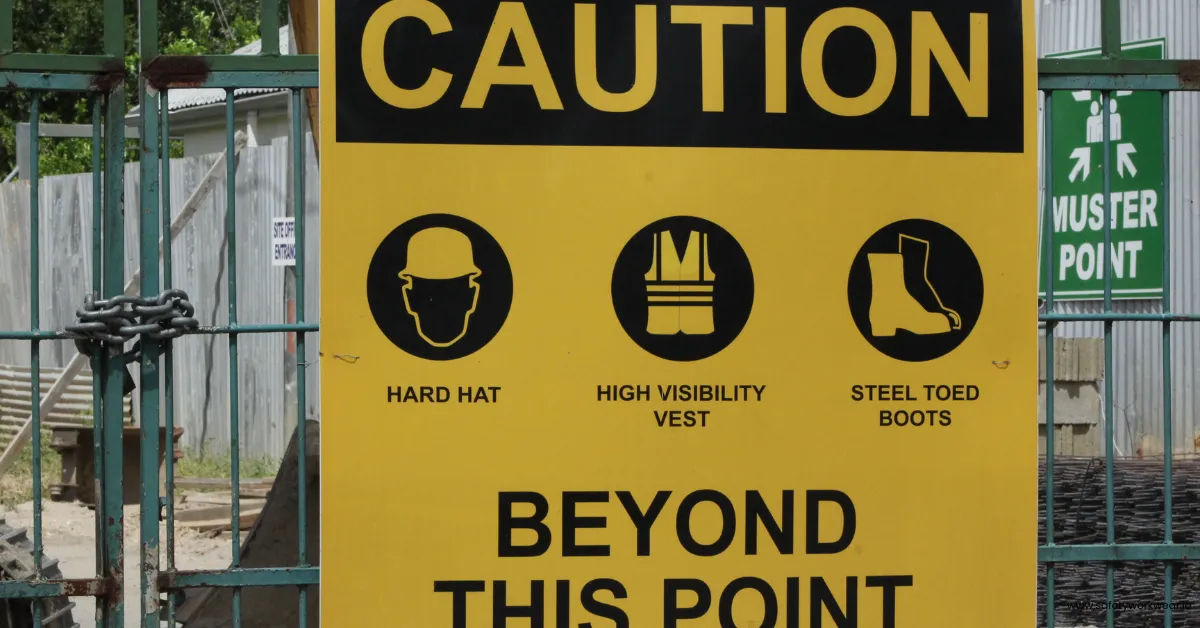
Many believe that being cautious is enough to prevent workplace accidents, rendering PPE unnecessary. However, no matter how careful you are, accidents can still happen. PPE acts as the last line of defense against unforeseen hazards. For example, even the most vigilant worker might encounter unexpected debris or chemical splashes that PPE can protect against.
Myth 3: All PPE Is the Same

Another common misconception is that all PPE offers the same level of protection. In reality, PPE is specifically designed to protect against certain hazards. For example, safety goggles protect against flying particles and chemical splashes, while a face shield offers protection against more significant impacts. It’s crucial to select the appropriate PPE for the specific hazards present in your work environment.
Myth 4: PPE Is Only Necessary for High-Risk Jobs
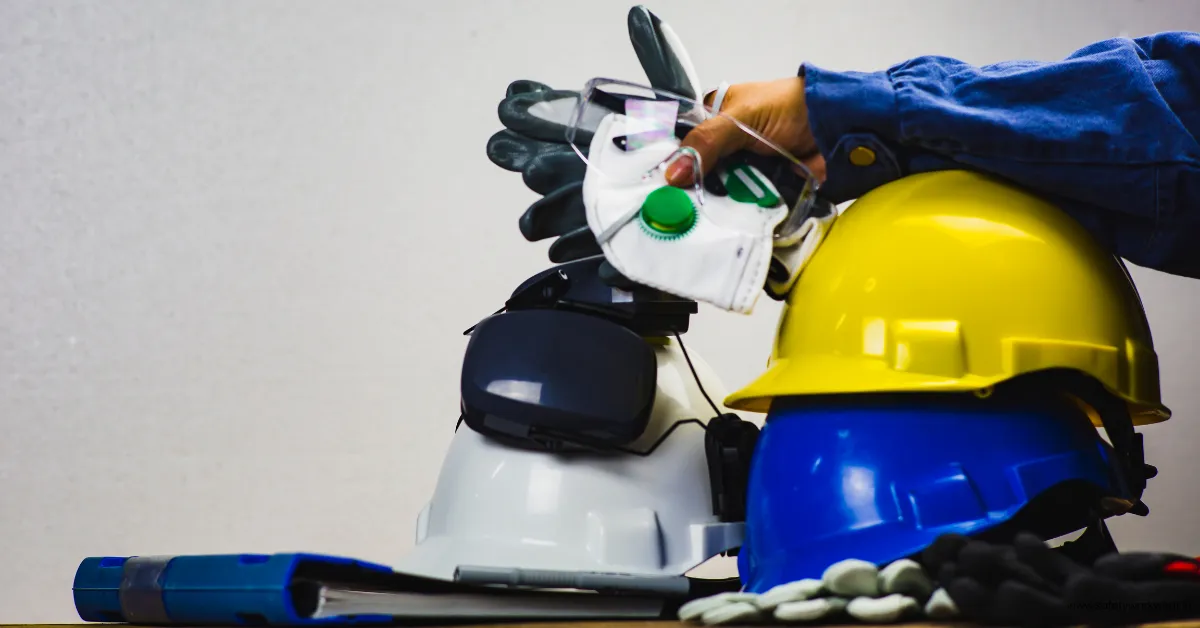
Some workers believe that PPE is only essential for high-risk occupations like construction or firefighting. However, PPE is important in a wide range of jobs. Office workers might need ergonomic supports, while healthcare workers require gloves and masks to prevent the spread of infections. Every workplace has its own set of hazards, and PPE is designed to mitigate these risks, no matter the industry.
Myth 5: PPE Is a One-Size-Fits-All Solution

Many think that PPE is one-size-fits-all, which can lead to improper usage and reduced protection. PPE must be properly fitted to each individual to ensure maximum effectiveness. Ill-fitting PPE can be uncomfortable and may not provide the intended protection, increasing the risk of injury. Employers should provide proper training and fitting sessions to ensure that all workers have PPE that fits correctly.
Myth 6: PPE Can Be Worn Indefinitely Without Replacement
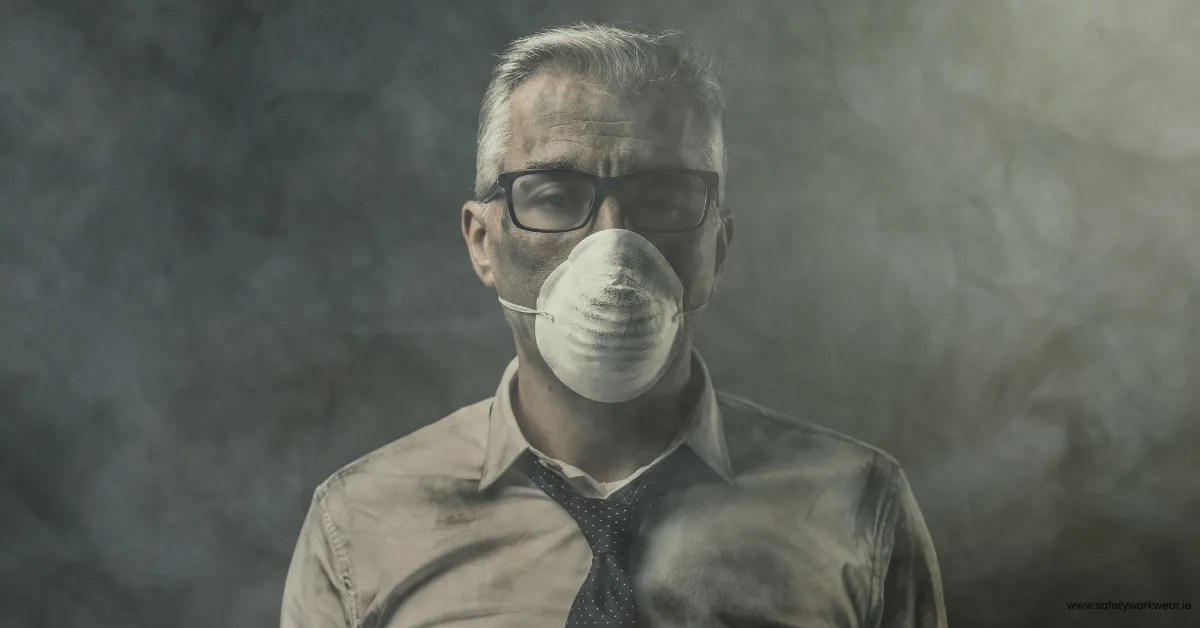
There’s a misconception that PPE, once provided, can be used indefinitely. In reality, PPE has a limited lifespan and must be regularly inspected and replaced as needed. For instance, hard hats should be replaced every five years or sooner if they sustain damage. Disposable items like gloves and masks should be replaced after each use. Regular maintenance and timely replacement of PPE are crucial for maintaining its protective capabilities.
Myth 7: PPE Is Only for Personal Protection

While PPE is primarily designed to protect the wearer, it also plays a crucial role in protecting others. For example, masks and gloves in healthcare settings prevent the spread of infections to patients and colleagues. In industrial settings, wearing the correct PPE can prevent accidents that could harm co-workers. Thus, PPE is not only about individual safety but also about maintaining a safe environment for everyone.
Understanding the truth behind these common myths about PPE is essential for ensuring safety in the workplace. By debunking these misconceptions, we can promote better usage and appreciation of PPE, leading to safer and more productive work environments. Always remember, PPE is an investment in your health and safety, and using it correctly is key to preventing injuries and accidents.
Additional tips to keep in mind:
What Is the Lifespan of Different Types of PPE?

The lifespan of PPE varies depending on the type, usage, and maintenance. Here’s a general guide:
-
Head & Face Protection such as Helmets and Hard Hats: Up to 5 years. Replace sooner if damaged.
-
​Safety Glasses and Goggles: 2-3 years. Replace if scratched or damaged.
-
Ear Protection: Disposable earplugs after each use; reusable ones can last several months.
-
Respirators and Masks: Disposable masks after each use; reusable respirators’ filters need changing every 30-60 hours of use.
-
Gloves: Disposable gloves after each use; reusable gloves last a few weeks to months.
-
Protective Clothing: Disposable after single use; reusable clothing lasts several months to a year.
-
Safety Footwear: 6-12 months depending on usage.
PPE Maintenance and Storage Guidelines

Proper maintenance and storage of PPE are crucial to ensure its effectiveness. Here are some guidelines:
-
Inspect Regularly: Check PPE before and after use for any signs of wear or damage.
-
Clean Properly: Follow manufacturer instructions for cleaning to avoid damaging the protective qualities.
-
Store Correctly: Keep PPE in a clean, dry place away from direct sunlight and chemicals.
-
Replace When Necessary: Don’t delay replacing PPE that shows signs of wear or damage.
What Are the Best Practices for Selecting the Appropriate PPE for Different Tasks?

Selecting the right PPE involves considering the specific hazards of the task. Best practices include:
-
Conducting Risk Assessments: Identify potential hazards and determine the necessary PPE.
-
Consulting Standards and Regulations: Ensure the PPE meets regulatory standards.
-
Fitting and Comfort: Choose PPE that fits well and is comfortable to wear.
-
Training and Education: Provide training on the correct use, maintenance, and limitations of the PPE.
-
Reviewing and Updating PPE Regularly: Regularly review and update PPE to ensure it continues to provide adequate protection.
Ready to upgrade your safety gear? Check out our extensive range of PPE options on our website and ensure you’re protected with the best.
Stay informed, stay protected, and always prioritise safety!
Don't forget to explore our extensive range of Safety PPE to ensure your protection on the job. For more valuable safety tips and product insights, visit our blog. If you have any questions or need assistance, feel free to reach out to us at: customerservices@safetyworkwear.ie
MOST RECENT ARTICLES
Construction Safety Boots: How to Choose the Perfect Fit for Long Shifts
read more
Mens Work Boots Ireland: Which Are the Best to Buy in 2026?
read more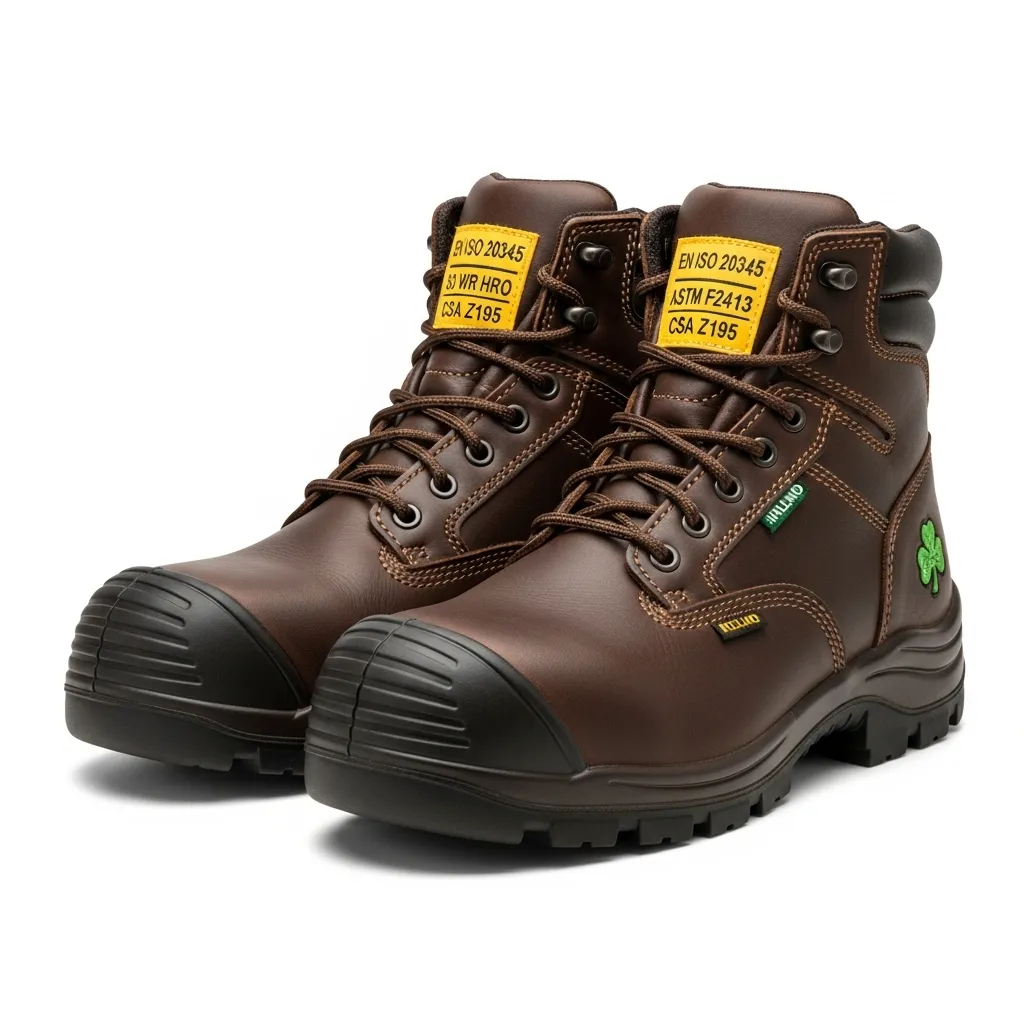
Safety Work Boots Ireland: What Safety Standards Should You Check?
read more
Snickers Workwear Ireland: What Makes It Different from Other Workwear?
read more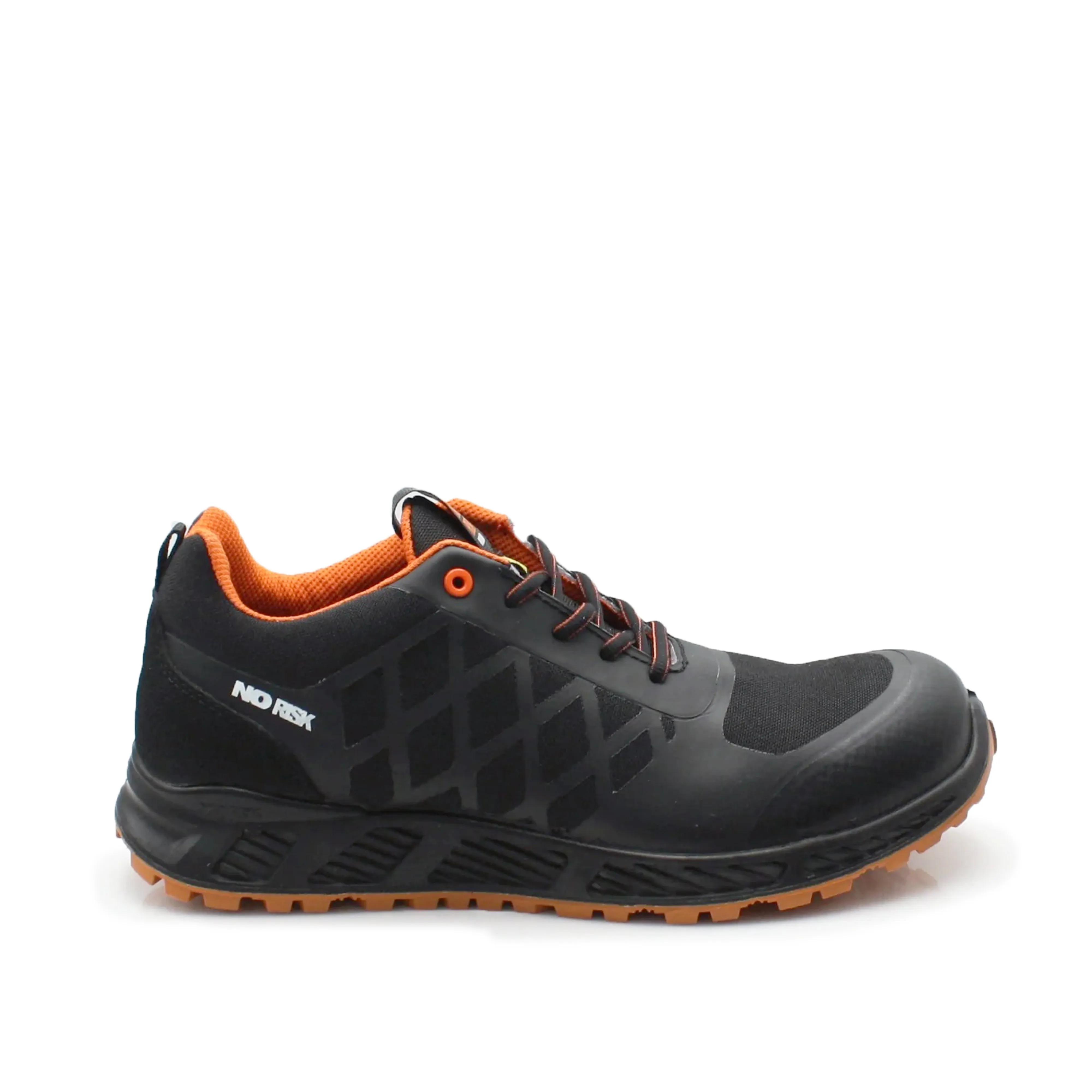
Safety Trainers Ireland: What Should You Look for Before Buying?
read moreRelated Articles
Busting PPE Myths: The Truth Behind Your Safety Gear
Personal Protective Equipment (PPE) is essential for ensuring safety in many workplaces, from construction sites to laboratories. However, despite its importance, there are several myths and misconceptions about PPE that can lead to improper usage and decreased safety. This guide will address these myths and provide crucial information about PPE regulations in Ireland, the lifespan of PPE, common types of PPE, maintenance and storage guidelines, and best practices for selecting the appropriate PPE for different tasks.
What Regulations Apply to PPE in Ireland?
In Ireland, PPE is regulated to ensure that it meets certain safety standards. The key regulations include:
-
Safety, Health and Welfare at Work Act 2005: This act requires employers to ensure the safety, health, and welfare of their employees, which includes providing appropriate PPE.
-
European Union (Personal Protective Equipment) Regulations 2018: These regulations ensure that PPE placed on the market complies with basic health and safety requirements and bears the CE mark, indicating conformity.
Employers must perform risk assessments to identify hazards and determine the necessary PPE. They are also responsible for providing training on the correct use and maintenance of PPE.
Myth 1: PPE Is Uncomfortable and Reduces Productivity
One of the most persistent myths about PPE is that it’s uncomfortable and hinders productivity. While it’s true that early designs of PPE may have been bulky or uncomfortable, modern advancements have led to PPE that is both comfortable and functional. Today’s PPE is designed with ergonomic features, breathable materials, and adjustable fittings to ensure maximum comfort. When properly fitted, PPE should not impede your ability to work but rather enhance your productivity by keeping you safe and focused.
Myth 2: If You're Careful, You Don’t Need PPE
Many believe that being cautious is enough to prevent workplace accidents, rendering PPE unnecessary. However, no matter how careful you are, accidents can still happen. PPE acts as the last line of defense against unforeseen hazards. For example, even the most vigilant worker might encounter unexpected debris or chemical splashes that PPE can protect against.
Myth 3: All PPE Is the Same
Another common misconception is that all PPE offers the same level of protection. In reality, PPE is specifically designed to protect against certain hazards. For example, safety goggles protect against flying particles and chemical splashes, while a face shield offers protection against more significant impacts. It’s crucial to select the appropriate PPE for the specific hazards present in your work environment.
Myth 4: PPE Is Only Necessary for High-Risk Jobs
Some workers believe that PPE is only essential for high-risk occupations like construction or firefighting. However, PPE is important in a wide range of jobs. Office workers might need ergonomic supports, while healthcare workers require gloves and masks to prevent the spread of infections. Every workplace has its own set of hazards, and PPE is designed to mitigate these risks, no matter the industry.
Myth 5: PPE Is a One-Size-Fits-All Solution
Many think that PPE is one-size-fits-all, which can lead to improper usage and reduced protection. PPE must be properly fitted to each individual to ensure maximum effectiveness. Ill-fitting PPE can be uncomfortable and may not provide the intended protection, increasing the risk of injury. Employers should provide proper training and fitting sessions to ensure that all workers have PPE that fits correctly.
Myth 6: PPE Can Be Worn Indefinitely Without Replacement
There’s a misconception that PPE, once provided, can be used indefinitely. In reality, PPE has a limited lifespan and must be regularly inspected and replaced as needed. For instance, hard hats should be replaced every five years or sooner if they sustain damage. Disposable items like gloves and masks should be replaced after each use. Regular maintenance and timely replacement of PPE are crucial for maintaining its protective capabilities.
Myth 7: PPE Is Only for Personal Protection
While PPE is primarily designed to protect the wearer, it also plays a crucial role in protecting others. For example, masks and gloves in healthcare settings prevent the spread of infections to patients and colleagues. In industrial settings, wearing the correct PPE can prevent accidents that could harm co-workers. Thus, PPE is not only about individual safety but also about maintaining a safe environment for everyone.
Understanding the truth behind these common myths about PPE is essential for ensuring safety in the workplace. By debunking these misconceptions, we can promote better usage and appreciation of PPE, leading to safer and more productive work environments. Always remember, PPE is an investment in your health and safety, and using it correctly is key to preventing injuries and accidents.
Additional tips to keep in mind:
What Is the Lifespan of Different Types of PPE?
The lifespan of PPE varies depending on the type, usage, and maintenance. Here’s a general guide:
-
Head & Face Protection such as Helmets and Hard Hats: Up to 5 years. Replace sooner if damaged.
-
​Safety Glasses and Goggles: 2-3 years. Replace if scratched or damaged.
-
Ear Protection: Disposable earplugs after each use; reusable ones can last several months.
-
Respirators and Masks: Disposable masks after each use; reusable respirators’ filters need changing every 30-60 hours of use.
-
Gloves: Disposable gloves after each use; reusable gloves last a few weeks to months.
-
Protective Clothing: Disposable after single use; reusable clothing lasts several months to a year.
-
Safety Footwear: 6-12 months depending on usage.
PPE Maintenance and Storage Guidelines
Proper maintenance and storage of PPE are crucial to ensure its effectiveness. Here are some guidelines:
-
Inspect Regularly: Check PPE before and after use for any signs of wear or damage.
-
Clean Properly: Follow manufacturer instructions for cleaning to avoid damaging the protective qualities.
-
Store Correctly: Keep PPE in a clean, dry place away from direct sunlight and chemicals.
-
Replace When Necessary: Don’t delay replacing PPE that shows signs of wear or damage.
What Are the Best Practices for Selecting the Appropriate PPE for Different Tasks?
Selecting the right PPE involves considering the specific hazards of the task. Best practices include:
-
Conducting Risk Assessments: Identify potential hazards and determine the necessary PPE.
-
Consulting Standards and Regulations: Ensure the PPE meets regulatory standards.
-
Fitting and Comfort: Choose PPE that fits well and is comfortable to wear.
-
Training and Education: Provide training on the correct use, maintenance, and limitations of the PPE.
-
Reviewing and Updating PPE Regularly: Regularly review and update PPE to ensure it continues to provide adequate protection.
Ready to upgrade your safety gear? Check out our extensive range of PPE options on our website and ensure you’re protected with the best.
Stay informed, stay protected, and always prioritise safety!
Don't forget to explore our extensive range of Safety PPE to ensure your protection on the job. For more valuable safety tips and product insights, visit our blog. If you have any questions or need assistance, feel free to reach out to us at: customerservices@safetyworkwear.ie