

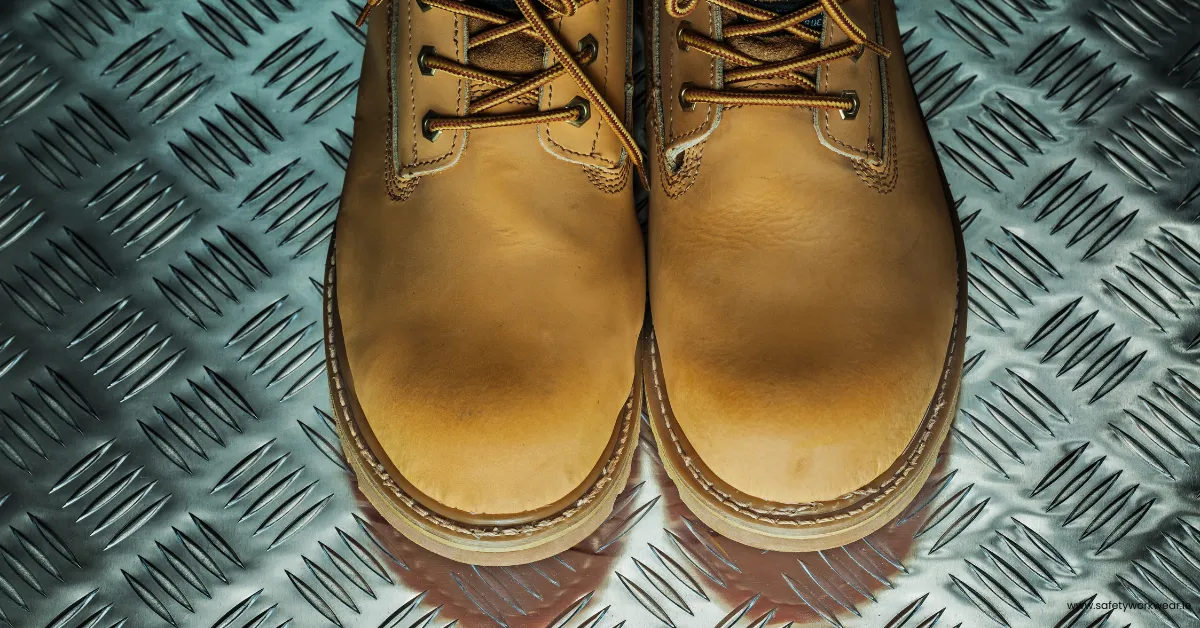
Comprehensive Guide: How to Choose the Best Safety Boots for Your Industry.
Choosing the right safety boots is crucial for ensuring comfort, protection, and productivity in various industries. Whether you're in construction, manufacturing, or another demanding field, the right pair of safety boots can make a significant difference. This guide will help you understand the essential qualities of a good safety boot, the factors employees should consider when choosing footwear, and the different types of industrial boots available. Additionally, we'll provide examples of the types of safety boots and the industries they are best suited for.
What are the Qualities of a Good Safety Boot?
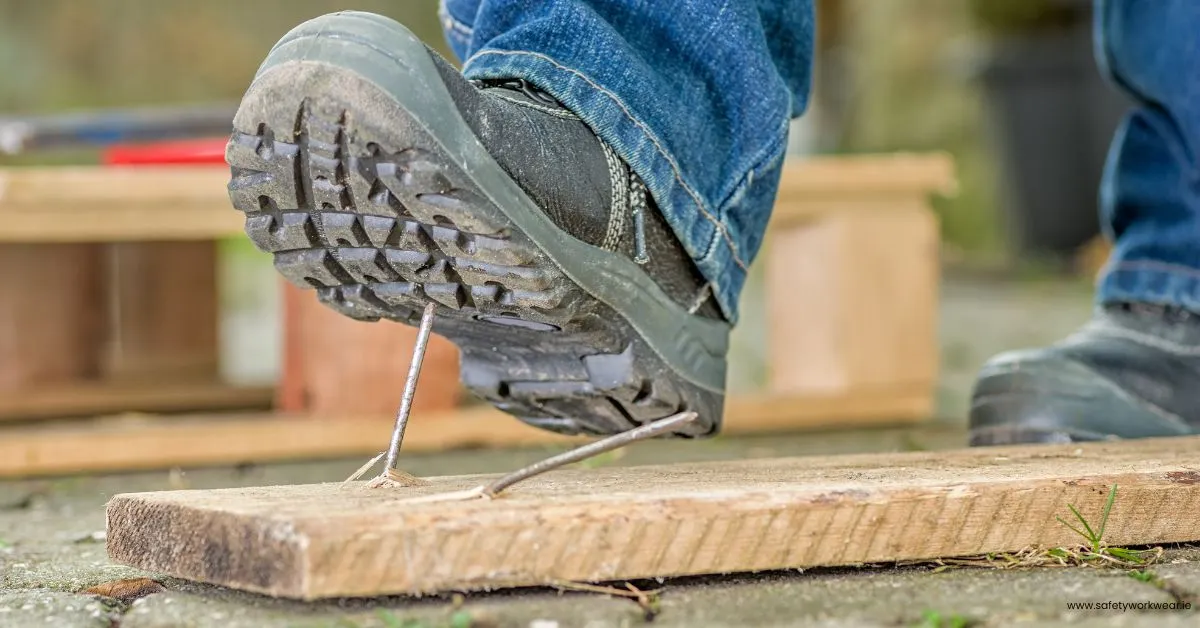
A good safety boot should provide comprehensive protection and comfort for the wearer. Here are some essential qualities to look for:
Protection Features:
-
Steel Toe Caps: Steel toe caps are designed to withstand an impact of up to 200 joules and resist a compression force of 15,000 newtons. These boots are ideal for industries where there is a high risk of heavy objects falling on the feet, such as construction and manufacturing.
-
Composite Toe Caps: Composite toe caps, made from materials like fibreglass, Kevlar, or carbon fibre, offer protection comparable to steel toes. They can withstand impacts of up to 200 joules and are lighter and non-conductive, making them suitable for electrical work and environments with metal detectors.
-
Metatarsal Guards: These guards provide additional protection to the top of the foot, withstanding impacts of up to 100 joules and compression forces of up to 15,000 newtons. They are often used in heavy industries where dropping heavy objects is common, such as mining and construction.
-
Puncture-Resistant Soles: These soles protect the feet from sharp objects like nails and glass. Typically made of steel or Kevlar, they can resist punctures with a force of up to 1,100 newtons, making them crucial for construction and waste management sectors.
Comfort and Fit:
-
Cushioned Insoles: Cushioned insoles help reduce fatigue and provide arch support, essential for workers who stand for long periods. Look for boots with memory foam or gel inserts for added comfort.
-
Breathable Materials: Breathable materials, such as mesh and moisture-wicking fabrics, keep feet dry and comfortable, reducing the risk of fungal infections. Breathable safety boots are ideal for hot climates and indoor work environments.
-
Lightweight Design: Lightweight boots, often made from composite materials, reduce the strain on the legs and back, enhancing mobility and reducing fatigue. These are preferred in industries requiring agility and long hours of wear.
Durability:
-
High-Quality Materials: Ensure the boots can withstand harsh conditions and last longer, providing better value for money. Leather and high-grade synthetic materials are commonly used for their durability.
-
Waterproofing: Waterproof safety boots are essential for outdoor work and wet environments. They keep feet dry and prevent the deterioration of the boot material, which is crucial for long-term durability.
Safety Certifications:
-
Compliance with Standards: Safety boots should meet industry standards such as ASTM (American Society for Testing and Materials) or EN ISO (European Standards). In the EU, the EN ISO 20345 standard specifies that safety footwear must have toe protection against a 200-joule impact. The standard also covers other protective features like anti-slip, anti-static, and energy absorption in the heel area. Boots that comply with these standards have been rigorously tested to ensure they provide adequate protection in various workplace scenarios.
What Factors Should Employees Consider When Choosing Footwear?

Selecting the right safety boots involves more than just picking a pair off the shelf. Here are the key factors employees should consider:
Job Hazards:
Different jobs have different hazards. Construction workers need protection from falling objects and sharp debris, while electricians need non-conductive boots. Understanding the specific risks of the job helps in choosing the appropriate safety features.
Environmental Conditions:
Consider the environment where the boots will be worn. For example, waterproof safety boots are essential for wet conditions, while insulated safety boots are necessary for cold environments.
Comfort and Fit:
Ill-fitting boots can cause blisters, calluses, and long-term foot problems. Employees should ensure the boots fit well, with enough room to wiggle toes and sufficient arch support. Trying on boots with work socks and wearing them for a short period before making a decision is advisable.
Material and Construction:
The materials and construction of the boots should be suited to the demands of the job. Leather is durable and offers good protection, while synthetic materials may offer better breathability and weight reduction.
Budget:
While it's tempting to choose the most affordable safety boots, it's important to balance cost with quality. Affordable safety boots can be found, but they should still meet all the necessary safety and comfort requirements.
What are the Different Types of Industrial Boots?
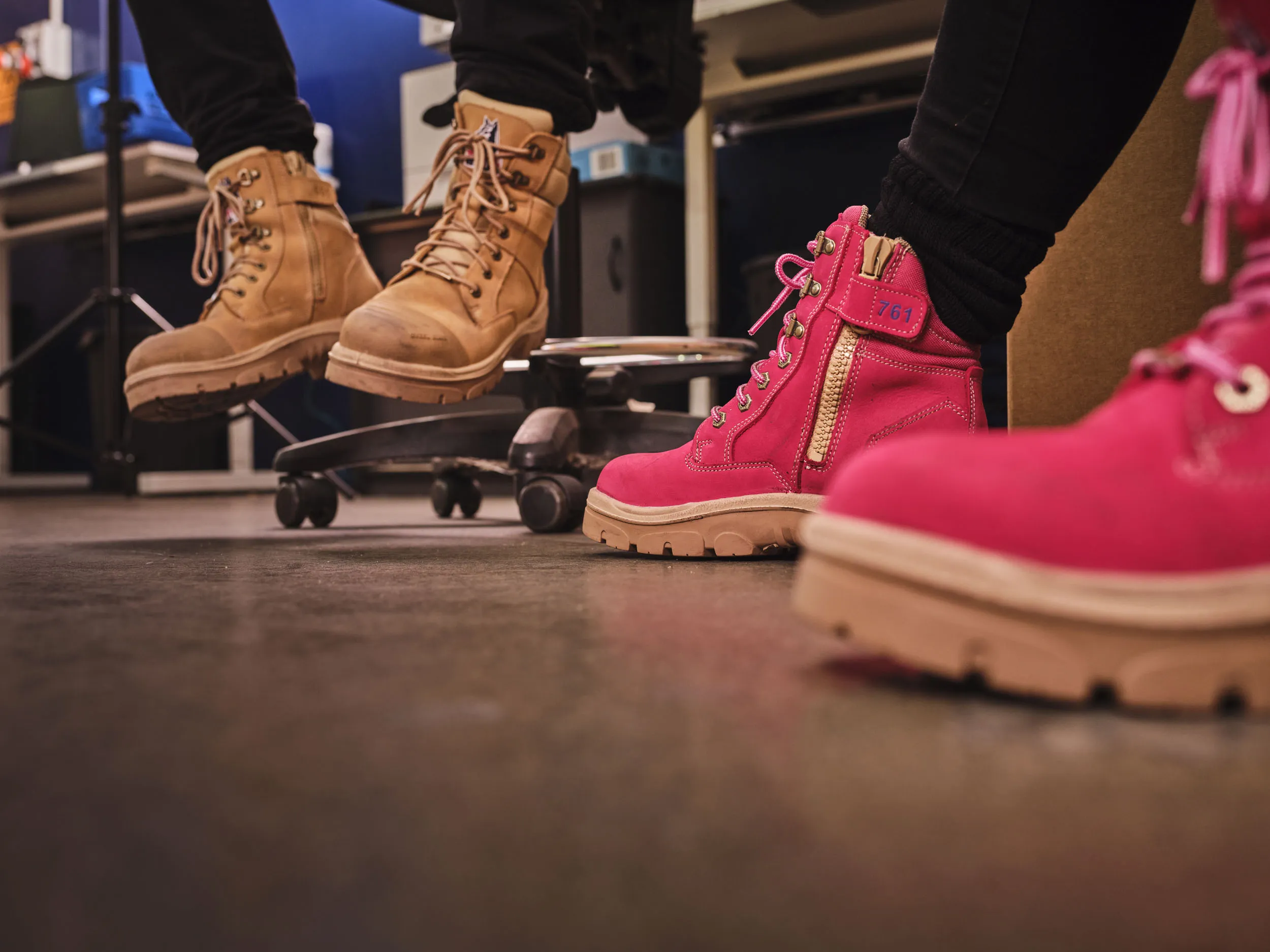
Industrial boots come in various types, each designed to address specific needs and hazards. Here are some common types:
Steel Toe Boots
-
Description: Boots with reinforced steel in the toe area for maximum protection.
-
Best For: Construction, manufacturing, heavy machinery industries.
-
Example: Steel toe work boots provide superior protection against heavy impacts and compression.
Composite Toe Boots
-
Description: Boots with non-metallic toe caps made from materials like fibreglass, Kevlar, or carbon fibre.
-
Best For: Electrical work, security sectors, and areas where metal detectors are used.
-
Example: Composite toe boots offer similar protection to steel toes but are lighter and non-conductive.
Waterproof Boots
-
Description: Boots designed to keep feet dry in wet conditions.
-
Best For: Outdoor work, landscaping, and environments with frequent water exposure.
-
Example: Waterproof safety boots ensure comfort and prevent material deterioration.
Insulated Boots
-
Description: Boots with insulation to keep feet warm in cold environments.
-
Best For: Outdoor winter work, refrigerated environments, and cold storage facilities.
-
Example: Insulated safety boots provide warmth and comfort in low-temperature conditions.
Slip-Resistant Boots
-
Description: Boots with specially designed soles to provide better grip on slippery surfaces.
-
Best For: Food service, healthcare, and any industry with wet or oily floors.
-
Example: Slip-resistant safety boots enhance safety in environments prone to spills and slick surfaces.
Lightweight Boots
-
Description: Boots made from lighter materials to reduce fatigue and increase comfort.
-
Best For: Jobs requiring long hours of standing or walking, such as logistics and warehousing.
-
Example: Best lightweight safety boots offer protection without the added weight.
Breathable Boots
-
Description: Boots made with materials that allow air circulation to keep feet dry and cool.
-
Best For: Indoor work, hot climates, and environments where moisture management is crucial.
-
Example: Breathable safety boots prevent foot infections and improve overall comfort.
Safety Boots with Arch Support
-
Description: Boots that provide additional support to the arch of the foot, reducing strain.
-
Best For: Workers with flat feet or those who stand for long periods.
-
Example: Safety boots with arch support improve posture and reduce foot fatigue.
Affordable Safety Boots
-
Description: Budget-friendly options that do not compromise on safety and comfort.
-
Best For: Companies looking to equip large teams without overspending.
-
Example: Affordable safety boots offer a balance of cost-effectiveness and essential features.
Examples of Safety Boots and Their Best Uses
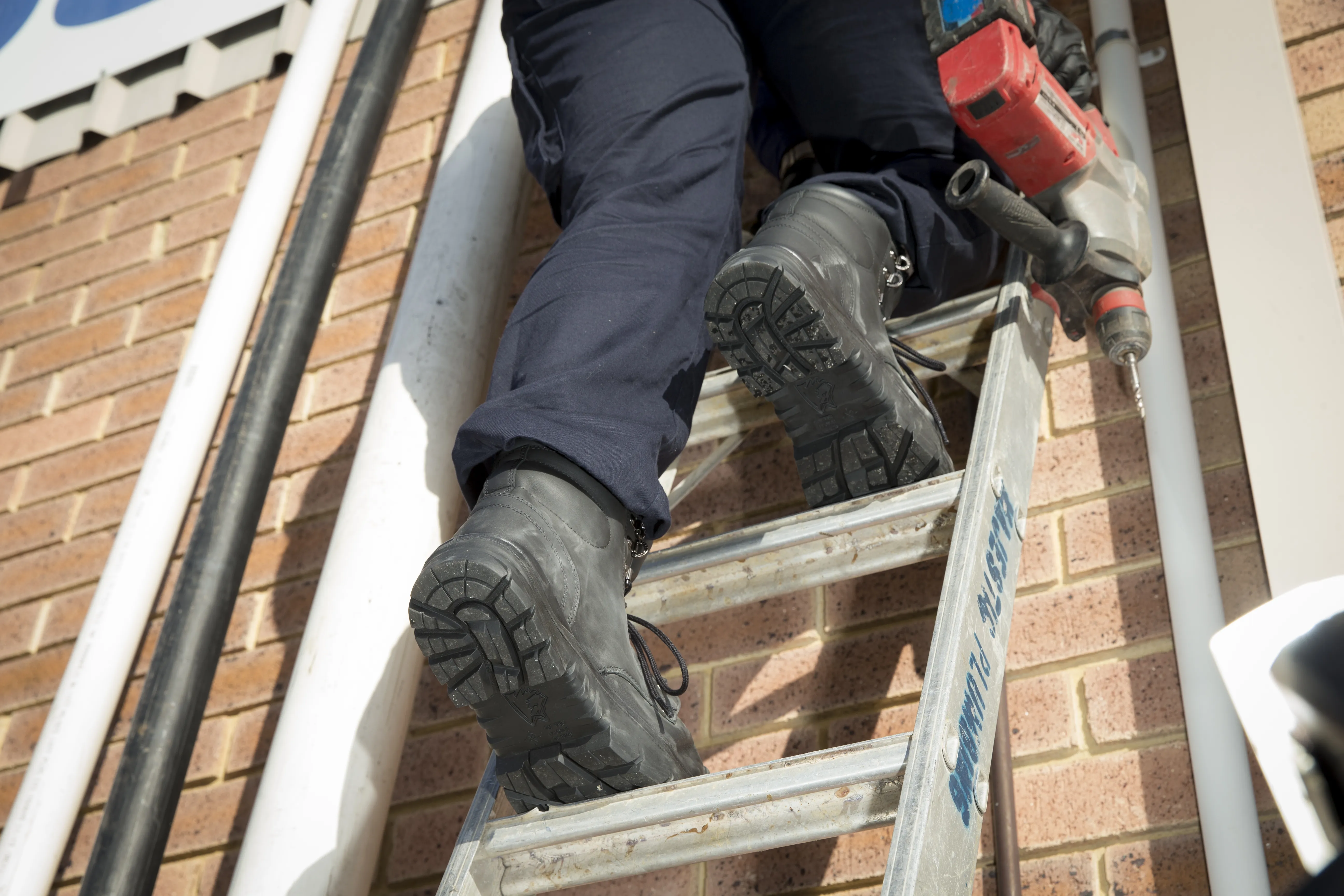
Construction Industry
-
Recommended Boots: Steel toe work boots, puncture-resistant soles, and metatarsal guards.
-
Why: The construction industry involves heavy machinery, falling objects, and sharp debris. Steel toe boots provide maximum protection against impacts, while puncture-resistant soles prevent injuries from sharp objects.
Electrical Work
-
Recommended Boots: Composite toe boots, non-conductive materials.
-
Why: Electrical work requires non-conductive footwear to prevent electrical hazards. Composite toe boots are lighter and provide the necessary protection without the risk of conducting electricity.
Food Service
-
Recommended Boots: Slip-resistant boots, breathable materials.
-
Why: Food service environments often have wet or oily floors. Slip-resistant boots reduce the risk of slips and falls, while breathable materials keep feet comfortable during long shifts.
Outdoor Winter Work
-
Recommended Boots: Insulated safety boots, waterproof materials.
-
Why: Cold and wet conditions require insulated and waterproof boots to keep feet warm and dry, preventing frostbite and discomfort.
Warehousing and Logistics
-
Recommended Boots: Lightweight safety boots, cushioned insoles.
-
Why: Workers in logistics and warehousingcan experience long hours of standing and walking. Lightweight safety boots reduce fatigue, while cushioned insoles provide additional comfort and support.
Healthcare
-
Recommended Boots: Slip-resistant boots, breathable materials.
-
Why: Healthcare professionals often work in environments with slick floors and need to stay comfortable during long shifts. Slip-resistant boots prevent falls, while breathable materials keep feet dry and comfortable.
Cold Storage
-
Recommended Boots: Insulated safety boots, anti-slip soles.
-
Why: Cold storage environments require boots that can keep feet warm and provide grip on potentially icy surfaces. Insulated boots with anti-slip soles offer the necessary protection and comfort.
Conclusion
Selecting the right safety boots is vital for ensuring the well-being and productivity of workers across various industries. By considering the qualities of a good safety boot, the specific needs of the job, and the types of industrial boots available, employers and employees can make informed decisions that enhance safety and comfort. Whether you need steel toe work boots for heavy construction, waterproof safety boots for outdoor work, or breathable safety boots for hot environments, understanding your requirements will help you choose the best safety boots for your industry. Investing in high-quality safety boots not only protects workers but also contributes to a safer and more efficient workplace.
Stay informed, stay protected, and always prioritise safety!
Don't forget to explore our extensive range of Safety Boots & Safety Shoes & Trainers to ensure your protection on the job. For more valuable safety tips and product insights, visit our blog. If you have any questions or need assistance, feel free to reach out to us at: customerservices@safetyworkwear.ie
MOST RECENT ARTICLES
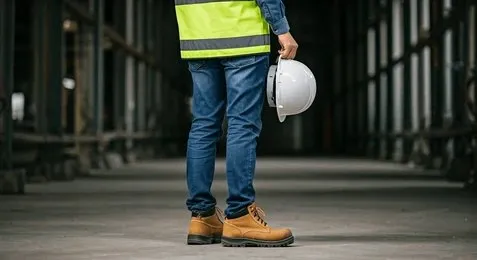
Construction Safety Boots: How to Choose the Perfect Fit for Long Shifts
read more
Mens Work Boots Ireland: Which Are the Best to Buy in 2026?
read more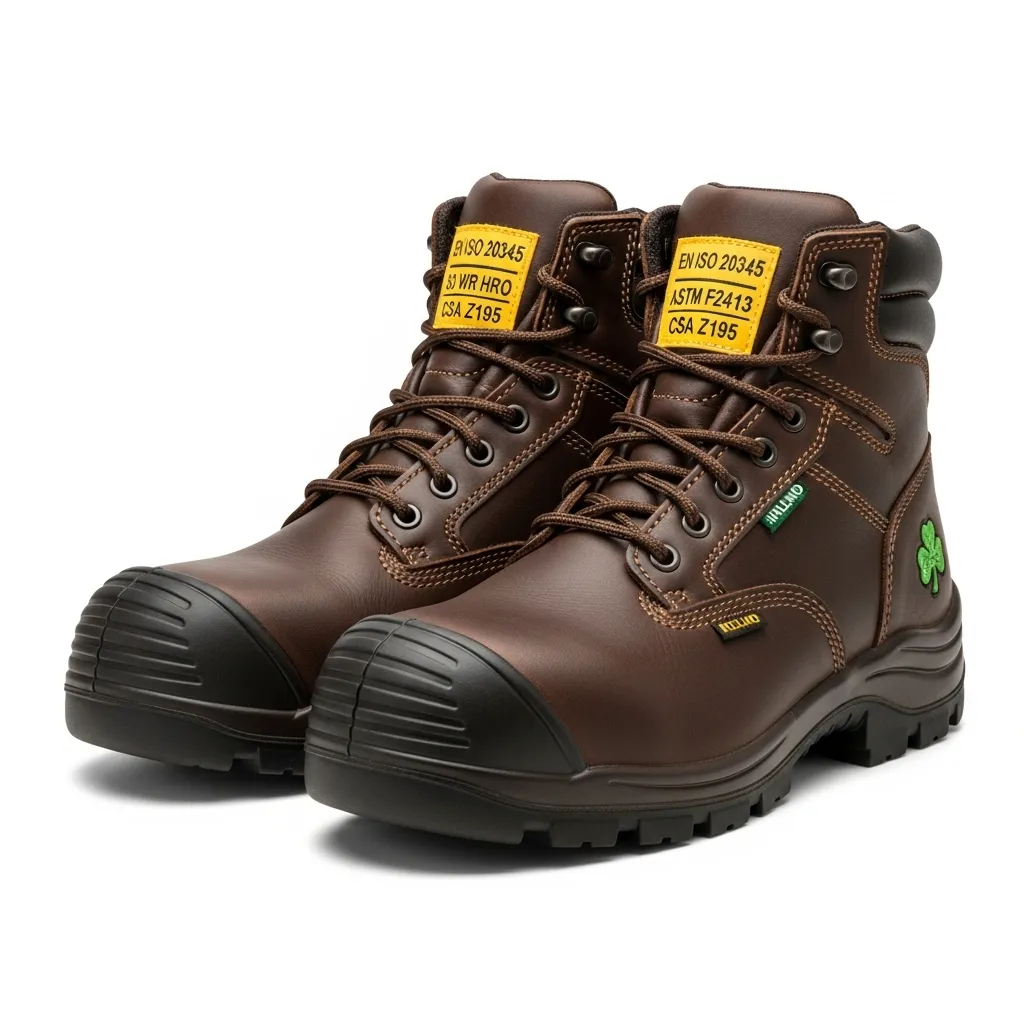
Safety Work Boots Ireland: What Safety Standards Should You Check?
read more
Snickers Workwear Ireland: What Makes It Different from Other Workwear?
read more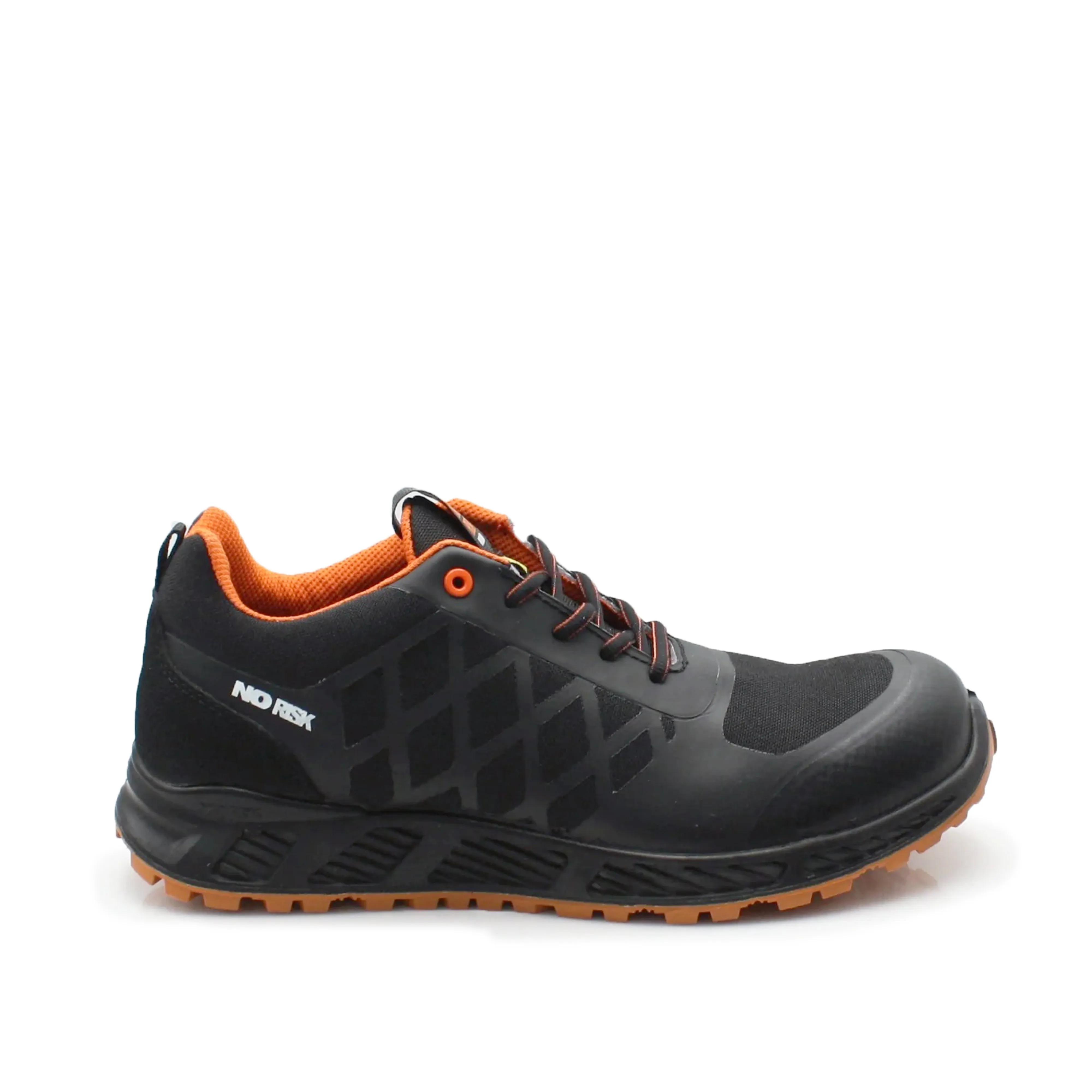
Safety Trainers Ireland: What Should You Look for Before Buying?
read moreRelated Articles
Comprehensive Guide: How to Choose the Best Safety Boots for Your Industry.
Choosing the right safety boots is crucial for ensuring comfort, protection, and productivity in various industries. Whether you're in construction, manufacturing, or another demanding field, the right pair of safety boots can make a significant difference. This guide will help you understand the essential qualities of a good safety boot, the factors employees should consider when choosing footwear, and the different types of industrial boots available. Additionally, we'll provide examples of the types of safety boots and the industries they are best suited for.
What are the Qualities of a Good Safety Boot?
A good safety boot should provide comprehensive protection and comfort for the wearer. Here are some essential qualities to look for:
Protection Features:
-
Steel Toe Caps: Steel toe caps are designed to withstand an impact of up to 200 joules and resist a compression force of 15,000 newtons. These boots are ideal for industries where there is a high risk of heavy objects falling on the feet, such as construction and manufacturing.
-
Composite Toe Caps: Composite toe caps, made from materials like fibreglass, Kevlar, or carbon fibre, offer protection comparable to steel toes. They can withstand impacts of up to 200 joules and are lighter and non-conductive, making them suitable for electrical work and environments with metal detectors.
-
Metatarsal Guards: These guards provide additional protection to the top of the foot, withstanding impacts of up to 100 joules and compression forces of up to 15,000 newtons. They are often used in heavy industries where dropping heavy objects is common, such as mining and construction.
-
Puncture-Resistant Soles: These soles protect the feet from sharp objects like nails and glass. Typically made of steel or Kevlar, they can resist punctures with a force of up to 1,100 newtons, making them crucial for construction and waste management sectors.
Comfort and Fit:
-
Cushioned Insoles: Cushioned insoles help reduce fatigue and provide arch support, essential for workers who stand for long periods. Look for boots with memory foam or gel inserts for added comfort.
-
Breathable Materials: Breathable materials, such as mesh and moisture-wicking fabrics, keep feet dry and comfortable, reducing the risk of fungal infections. Breathable safety boots are ideal for hot climates and indoor work environments.
-
Lightweight Design: Lightweight boots, often made from composite materials, reduce the strain on the legs and back, enhancing mobility and reducing fatigue. These are preferred in industries requiring agility and long hours of wear.
Durability:
-
High-Quality Materials: Ensure the boots can withstand harsh conditions and last longer, providing better value for money. Leather and high-grade synthetic materials are commonly used for their durability.
-
Waterproofing: Waterproof safety boots are essential for outdoor work and wet environments. They keep feet dry and prevent the deterioration of the boot material, which is crucial for long-term durability.
Safety Certifications:
-
Compliance with Standards: Safety boots should meet industry standards such as ASTM (American Society for Testing and Materials) or EN ISO (European Standards). In the EU, the EN ISO 20345 standard specifies that safety footwear must have toe protection against a 200-joule impact. The standard also covers other protective features like anti-slip, anti-static, and energy absorption in the heel area. Boots that comply with these standards have been rigorously tested to ensure they provide adequate protection in various workplace scenarios.
What Factors Should Employees Consider When Choosing Footwear?
Selecting the right safety boots involves more than just picking a pair off the shelf. Here are the key factors employees should consider:
Job Hazards:
Different jobs have different hazards. Construction workers need protection from falling objects and sharp debris, while electricians need non-conductive boots. Understanding the specific risks of the job helps in choosing the appropriate safety features.
Environmental Conditions:
Consider the environment where the boots will be worn. For example, waterproof safety boots are essential for wet conditions, while insulated safety boots are necessary for cold environments.
Comfort and Fit:
Ill-fitting boots can cause blisters, calluses, and long-term foot problems. Employees should ensure the boots fit well, with enough room to wiggle toes and sufficient arch support. Trying on boots with work socks and wearing them for a short period before making a decision is advisable.
Material and Construction:
The materials and construction of the boots should be suited to the demands of the job. Leather is durable and offers good protection, while synthetic materials may offer better breathability and weight reduction.
Budget:
While it's tempting to choose the most affordable safety boots, it's important to balance cost with quality. Affordable safety boots can be found, but they should still meet all the necessary safety and comfort requirements.
What are the Different Types of Industrial Boots?
Industrial boots come in various types, each designed to address specific needs and hazards. Here are some common types:
Steel Toe Boots
-
Description: Boots with reinforced steel in the toe area for maximum protection.
-
Best For: Construction, manufacturing, heavy machinery industries.
-
Example: Steel toe work boots provide superior protection against heavy impacts and compression.
Composite Toe Boots
-
Description: Boots with non-metallic toe caps made from materials like fibreglass, Kevlar, or carbon fibre.
-
Best For: Electrical work, security sectors, and areas where metal detectors are used.
-
Example: Composite toe boots offer similar protection to steel toes but are lighter and non-conductive.
Waterproof Boots
-
Description: Boots designed to keep feet dry in wet conditions.
-
Best For: Outdoor work, landscaping, and environments with frequent water exposure.
-
Example: Waterproof safety boots ensure comfort and prevent material deterioration.
Insulated Boots
-
Description: Boots with insulation to keep feet warm in cold environments.
-
Best For: Outdoor winter work, refrigerated environments, and cold storage facilities.
-
Example: Insulated safety boots provide warmth and comfort in low-temperature conditions.
Slip-Resistant Boots
-
Description: Boots with specially designed soles to provide better grip on slippery surfaces.
-
Best For: Food service, healthcare, and any industry with wet or oily floors.
-
Example: Slip-resistant safety boots enhance safety in environments prone to spills and slick surfaces.
Lightweight Boots
-
Description: Boots made from lighter materials to reduce fatigue and increase comfort.
-
Best For: Jobs requiring long hours of standing or walking, such as logistics and warehousing.
-
Example: Best lightweight safety boots offer protection without the added weight.
Breathable Boots
-
Description: Boots made with materials that allow air circulation to keep feet dry and cool.
-
Best For: Indoor work, hot climates, and environments where moisture management is crucial.
-
Example: Breathable safety boots prevent foot infections and improve overall comfort.
Safety Boots with Arch Support
-
Description: Boots that provide additional support to the arch of the foot, reducing strain.
-
Best For: Workers with flat feet or those who stand for long periods.
-
Example: Safety boots with arch support improve posture and reduce foot fatigue.
Affordable Safety Boots
-
Description: Budget-friendly options that do not compromise on safety and comfort.
-
Best For: Companies looking to equip large teams without overspending.
-
Example: Affordable safety boots offer a balance of cost-effectiveness and essential features.
Examples of Safety Boots and Their Best Uses
Construction Industry
-
Recommended Boots: Steel toe work boots, puncture-resistant soles, and metatarsal guards.
-
Why: The construction industry involves heavy machinery, falling objects, and sharp debris. Steel toe boots provide maximum protection against impacts, while puncture-resistant soles prevent injuries from sharp objects.
Electrical Work
-
Recommended Boots: Composite toe boots, non-conductive materials.
-
Why: Electrical work requires non-conductive footwear to prevent electrical hazards. Composite toe boots are lighter and provide the necessary protection without the risk of conducting electricity.
Food Service
-
Recommended Boots: Slip-resistant boots, breathable materials.
-
Why: Food service environments often have wet or oily floors. Slip-resistant boots reduce the risk of slips and falls, while breathable materials keep feet comfortable during long shifts.
Outdoor Winter Work
-
Recommended Boots: Insulated safety boots, waterproof materials.
-
Why: Cold and wet conditions require insulated and waterproof boots to keep feet warm and dry, preventing frostbite and discomfort.
Warehousing and Logistics
-
Recommended Boots: Lightweight safety boots, cushioned insoles.
-
Why: Workers in logistics and warehousingcan experience long hours of standing and walking. Lightweight safety boots reduce fatigue, while cushioned insoles provide additional comfort and support.
Healthcare
-
Recommended Boots: Slip-resistant boots, breathable materials.
-
Why: Healthcare professionals often work in environments with slick floors and need to stay comfortable during long shifts. Slip-resistant boots prevent falls, while breathable materials keep feet dry and comfortable.
Cold Storage
-
Recommended Boots: Insulated safety boots, anti-slip soles.
-
Why: Cold storage environments require boots that can keep feet warm and provide grip on potentially icy surfaces. Insulated boots with anti-slip soles offer the necessary protection and comfort.
Conclusion
Selecting the right safety boots is vital for ensuring the well-being and productivity of workers across various industries. By considering the qualities of a good safety boot, the specific needs of the job, and the types of industrial boots available, employers and employees can make informed decisions that enhance safety and comfort. Whether you need steel toe work boots for heavy construction, waterproof safety boots for outdoor work, or breathable safety boots for hot environments, understanding your requirements will help you choose the best safety boots for your industry. Investing in high-quality safety boots not only protects workers but also contributes to a safer and more efficient workplace.
Stay informed, stay protected, and always prioritise safety!
Don't forget to explore our extensive range of Safety Boots & Safety Shoes & Trainers to ensure your protection on the job. For more valuable safety tips and product insights, visit our blog. If you have any questions or need assistance, feel free to reach out to us at: customerservices@safetyworkwear.ie