

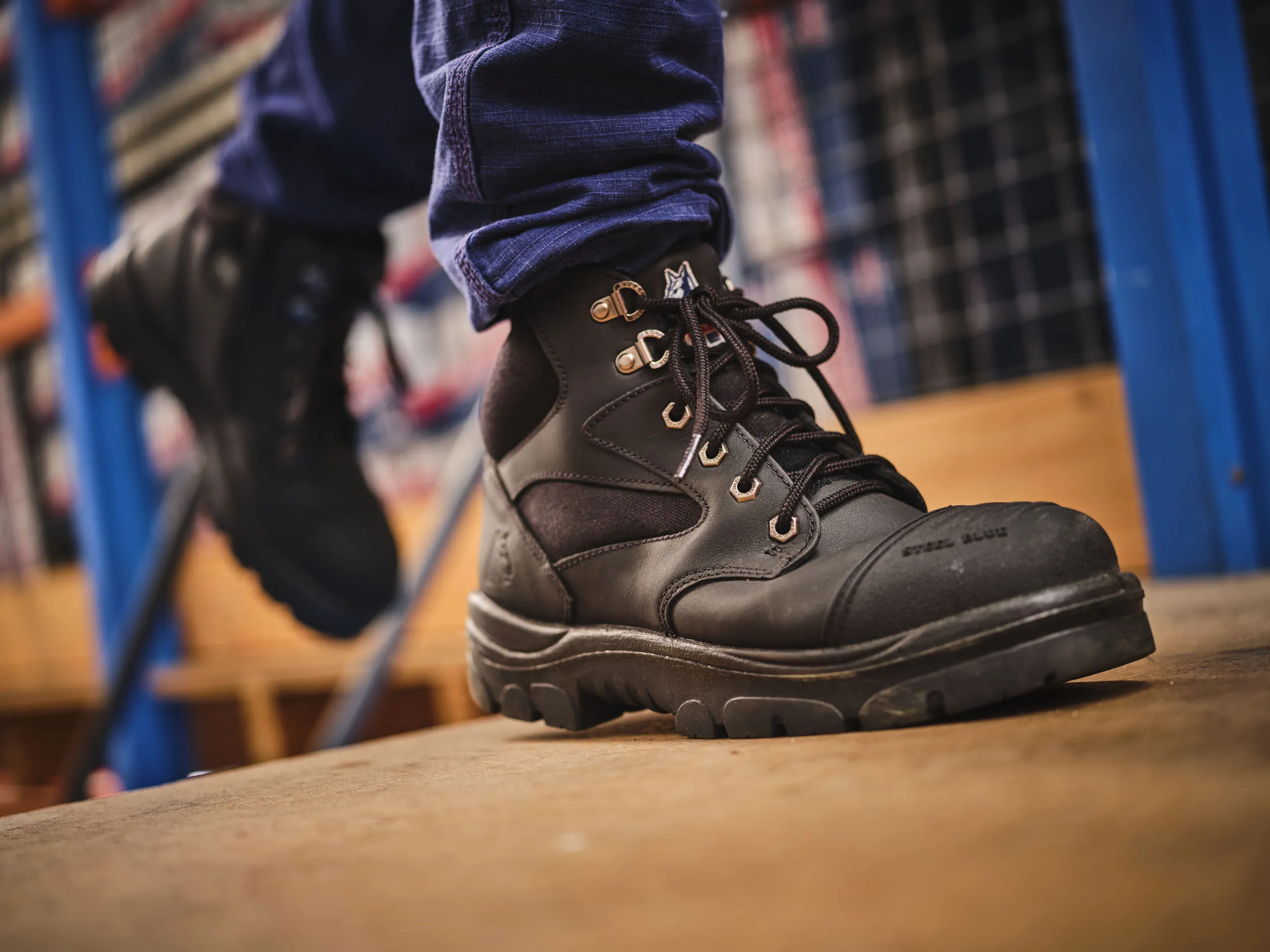
Steel Toe vs. Composite Toe Safety Boots: Which One is Right for You?
When it comes to safety footwear, the debate between steel toe and composite toe boots often sparks heated discussions among workers. Steel toes are renowned for their undeniable strength and durability, able to withstand heavy impacts with ease. However, composite toe boots offer a lightweight alternative without compromising on protection. It's essential to consider your specific work environment and needs when making this decision.
While steel toes have long been the go-to choice for many industries, composite toes have gained popularity due to their non-metallic composition that is often preferred in certain workplaces. Beyond their protective qualities, composite toes also offer insulation against extreme temperatures, making them a versatile option for varying work conditions. So let's dive into the world of safety boots to help you make a well-informed decision that fits your specific needs!
Material Composition
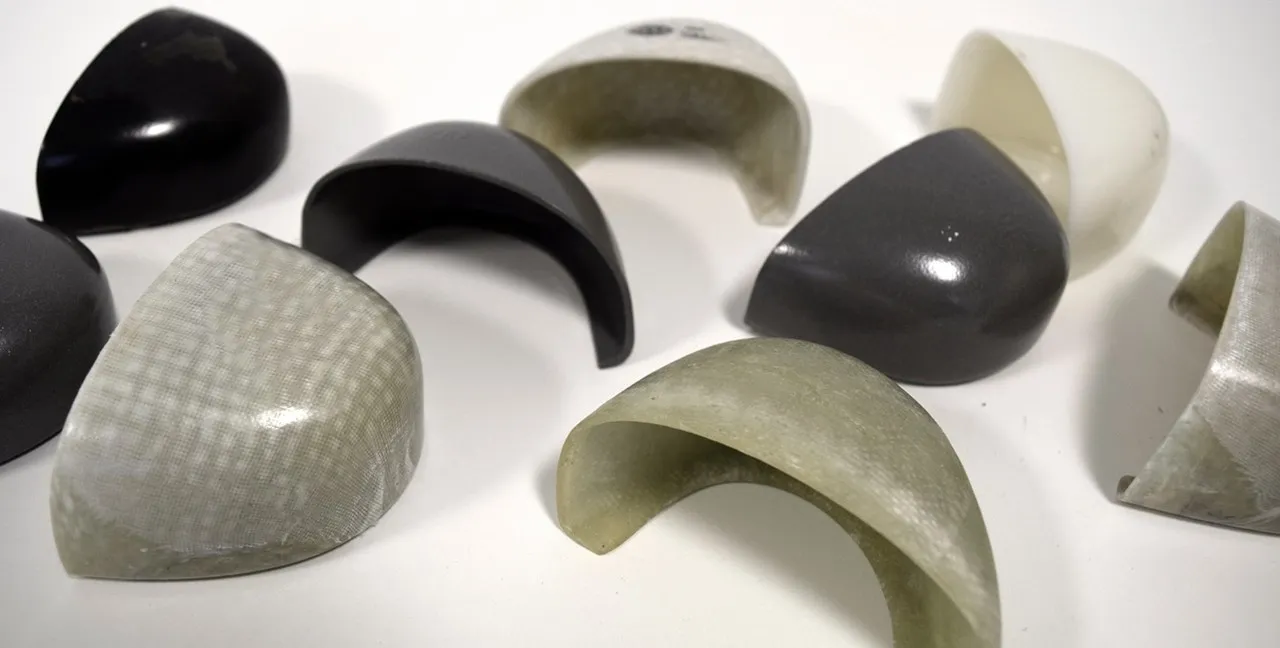

Steel toe boots provide robust protection against impact and compression with their tough steel toe cap. On the other hand, composite toe boots use materials like Kevlar or fiberglass to offer reliable protection without the extra weight of steel. Additionally, composite toes are non-conductive and won't set off metal detectors, making them suitable for various work environments.
Comfort

Some prefer the weight and perceived durability of steel toes, while others opt for the lighter feel of composite toes for long work hours. Comfort is essential when selecting safety footwear, as it impacts productivity and well-being. Advances in composite materials have made them just as strong as traditional steel options, challenging the notion that heavier means stronger.
Temperature Resistance


Have you ever wondered how the type of toe in your work boots could impact your comfort in extreme temperatures? Steel toes, while renowned for their durability and protection, can be a double-edged sword when it comes to temperature resistance. Due to steel’s thermal conductivity properties, steel toe boots can become uncomfortably hot or cold in extreme weather conditions. On the other hand, composite toes offer a more insulated alternative, providing better protection against temperature extremes.
The next time you're gearing up for a long day on the job site, consider how temperature resistance plays a role in your choice of safety footwear.
Metal Detector Friendliness


Metal detector friendliness has become a key factor in workwear choices, especially for those working in security-sensitive areas. The rise of composite toe boots, with their non-metallic composition, has provided a practical solution to this issue. Unlike traditional steel toe boots that often trigger alarms when passing through metal detectors.This innovation not only ensures smooth passage through security checkpoints but also enhances overall convenience and efficiency for workers.
While steel toe boots have been renowned for their durability and protective qualities, the inconvenience they pose at metal detectors has sparked a shift towards composite alternatives. These non-metallic boots maintain the same level of strength and safety while eliminating the hassle of constantly setting off alarms. As more industries prioritize security measures, the popularity of composite toe boots is on the rise, catering to professionals who require both reliability and ease of movement in their work environments.
Durability


When it comes to durability, steel toe boots are the undisputed champions. Their reputation for toughness and longevity is well-deserved, making them a popular choice for those who need footwear that can stand up to tough conditions. On the other hand, while composite toe boots also boast impressive durability, they may not quite match the robustness of their steel counterparts. This slight difference in lifespan is something to consider when choosing between the two options.
Cost


Steel toe boots are typically more budget-friendly than composite toe options. However, composite toe boots may come at a higher price due to advanced materials like Kevlar or carbon fiber.
Industry Applications

Steel toe boots have been a staple in heavy industries like construction and mining for decades. However, industries are increasingly turning to composite toe boots for their lightweight nature and non-metallic composition. Composite toes offer advantages in environments where conductivity or metal detection is a concern, as well as better temperature resistance.
In conclusion, when choosing between steel toe safety boots and composite toe safety boots, it's essential to consider your specific job requirements, comfort preferences, and workplace hazards. Whether you need heavy-duty protection or a lighter alternative, both options offer reliable safety features to keep you safe on the job.
Stay informed, stay protected, and always prioritise safety!
Don't forget to explore our extensive range of Safety Footwear & Safety Shoes & Trainers to ensure your protection on the job. For more valuable safety tips and product insights, visit our blog. If you have any questions or need assistance, feel free to reach out to us at: customerservices@safetyworkwear.ie
MOST RECENT ARTICLES
Construction Safety Boots: How to Choose the Perfect Fit for Long Shifts
read more
Mens Work Boots Ireland: Which Are the Best to Buy in 2026?
read more
Safety Work Boots Ireland: What Safety Standards Should You Check?
read more
Snickers Workwear Ireland: What Makes It Different from Other Workwear?
read more
Safety Trainers Ireland: What Should You Look for Before Buying?
read moreRelated Articles
Steel Toe vs. Composite Toe Safety Boots: Which One is Right for You?
When it comes to safety footwear, the debate between steel toe and composite toe boots often sparks heated discussions among workers. Steel toes are renowned for their undeniable strength and durability, able to withstand heavy impacts with ease. However, composite toe boots offer a lightweight alternative without compromising on protection. It's essential to consider your specific work environment and needs when making this decision.
While steel toes have long been the go-to choice for many industries, composite toes have gained popularity due to their non-metallic composition that is often preferred in certain workplaces. Beyond their protective qualities, composite toes also offer insulation against extreme temperatures, making them a versatile option for varying work conditions. So let's dive into the world of safety boots to help you make a well-informed decision that fits your specific needs!
Material Composition
Steel toe boots provide robust protection against impact and compression with their tough steel toe cap. On the other hand, composite toe boots use materials like Kevlar or fiberglass to offer reliable protection without the extra weight of steel. Additionally, composite toes are non-conductive and won't set off metal detectors, making them suitable for various work environments.
Comfort
Some prefer the weight and perceived durability of steel toes, while others opt for the lighter feel of composite toes for long work hours. Comfort is essential when selecting safety footwear, as it impacts productivity and well-being. Advances in composite materials have made them just as strong as traditional steel options, challenging the notion that heavier means stronger.
Temperature Resistance
Have you ever wondered how the type of toe in your work boots could impact your comfort in extreme temperatures? Steel toes, while renowned for their durability and protection, can be a double-edged sword when it comes to temperature resistance. Due to steel’s thermal conductivity properties, steel toe boots can become uncomfortably hot or cold in extreme weather conditions. On the other hand, composite toes offer a more insulated alternative, providing better protection against temperature extremes.
The next time you're gearing up for a long day on the job site, consider how temperature resistance plays a role in your choice of safety footwear.
Metal Detector Friendliness
Metal detector friendliness has become a key factor in workwear choices, especially for those working in security-sensitive areas. The rise of composite toe boots, with their non-metallic composition, has provided a practical solution to this issue. Unlike traditional steel toe boots that often trigger alarms when passing through metal detectors.This innovation not only ensures smooth passage through security checkpoints but also enhances overall convenience and efficiency for workers.
While steel toe boots have been renowned for their durability and protective qualities, the inconvenience they pose at metal detectors has sparked a shift towards composite alternatives. These non-metallic boots maintain the same level of strength and safety while eliminating the hassle of constantly setting off alarms. As more industries prioritize security measures, the popularity of composite toe boots is on the rise, catering to professionals who require both reliability and ease of movement in their work environments.
Durability
When it comes to durability, steel toe boots are the undisputed champions. Their reputation for toughness and longevity is well-deserved, making them a popular choice for those who need footwear that can stand up to tough conditions. On the other hand, while composite toe boots also boast impressive durability, they may not quite match the robustness of their steel counterparts. This slight difference in lifespan is something to consider when choosing between the two options.
Cost
Steel toe boots are typically more budget-friendly than composite toe options. However, composite toe boots may come at a higher price due to advanced materials like Kevlar or carbon fiber.
Industry Applications
Steel toe boots have been a staple in heavy industries like construction and mining for decades. However, industries are increasingly turning to composite toe boots for their lightweight nature and non-metallic composition. Composite toes offer advantages in environments where conductivity or metal detection is a concern, as well as better temperature resistance.
In conclusion, when choosing between steel toe safety boots and composite toe safety boots, it's essential to consider your specific job requirements, comfort preferences, and workplace hazards. Whether you need heavy-duty protection or a lighter alternative, both options offer reliable safety features to keep you safe on the job.
Stay informed, stay protected, and always prioritise safety!
Don't forget to explore our extensive range of Safety Footwear & Safety Shoes & Trainers to ensure your protection on the job. For more valuable safety tips and product insights, visit our blog. If you have any questions or need assistance, feel free to reach out to us at: customerservices@safetyworkwear.ie