

Breath Breakdown: Which Respiratory Shield Fits Your Job Description?
In today's ever-evolving work environments, ensuring the safety and well-being of workers is crucial. When it comes to protecting against airborne contaminants, choosing the right respiratory equipment is essential. From dust and fumes to toxic chemicals and infectious particles, the proper respiratory gear is vital for a healthy workforce. However, with so many options available, navigating through the choices can be daunting. Don’t worry! This comprehensive guide will demystify protective respiratory equipment, providing insights into types, functions, and key factors for making the best choice for your workplace. Join us on this journey towards optimal protection for you and your team in any environment where airborne contaminants pose a threat.
Types of Respiratory Equipment
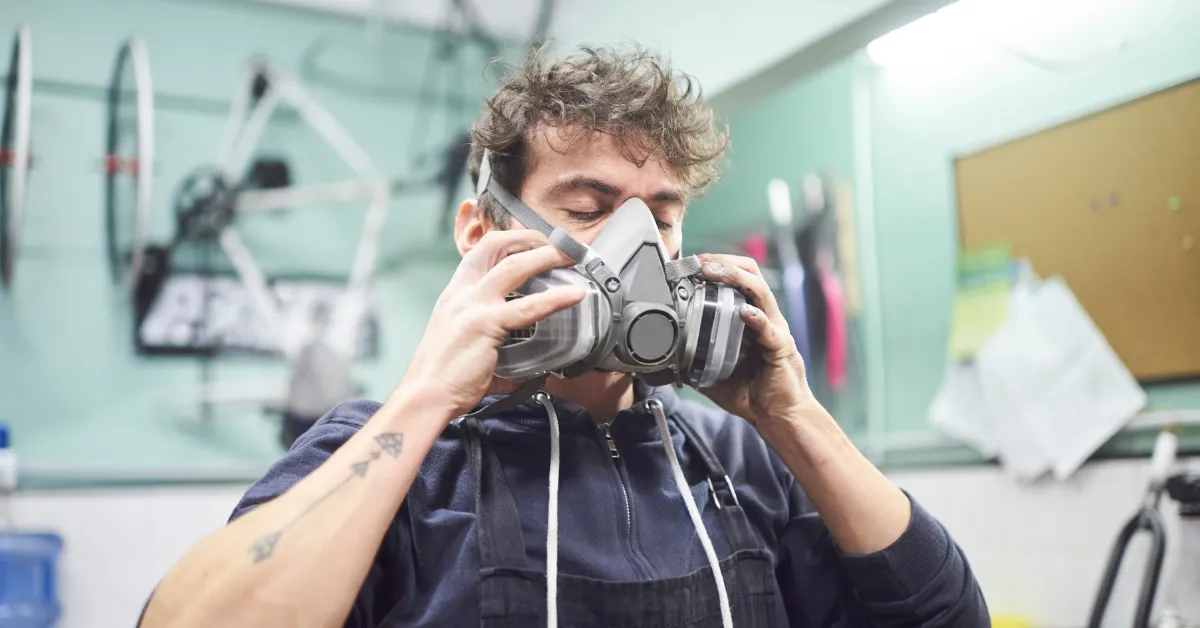
Respiratory equipment can be categorised into two main types: air-purifying respirators (APRs) and atmosphere-supplying respirators (ASRs).
Air-Purifying Respirators (APRs):
-
Disposable Respirators (N95, FFP2): These masks filter out particulates and are commonly used in healthcare and construction.
-
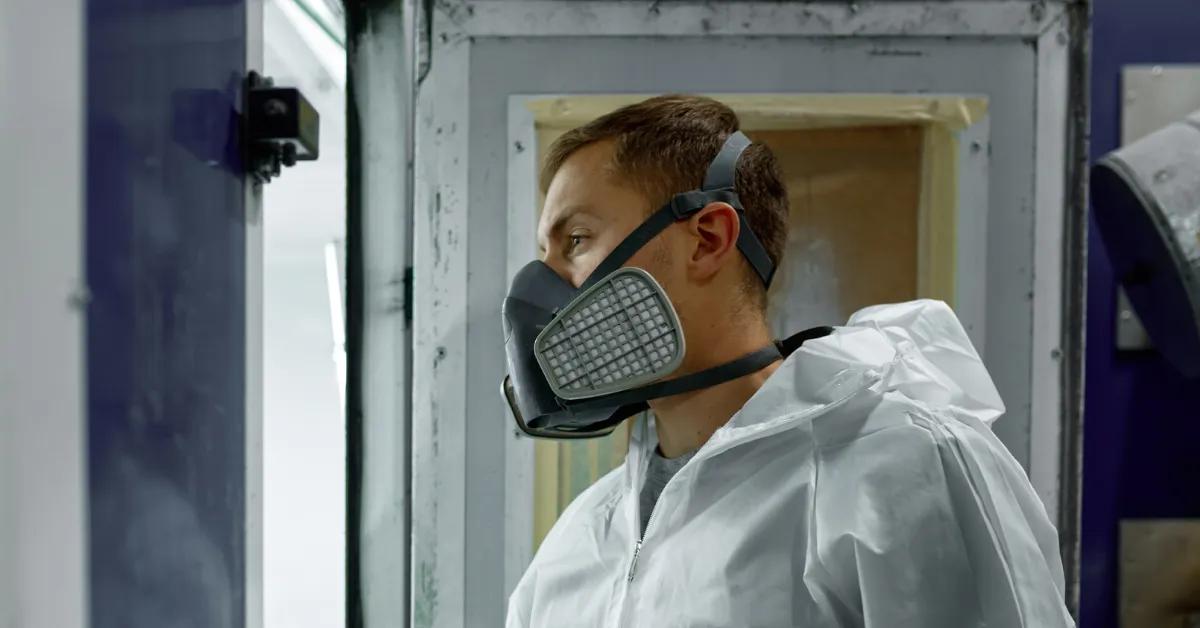
Half-Face Respirators: Cover the nose and mouth, equipped with replaceable filters for particulates, gases, and vapours.
-
Full-Face Respirators: Cover the entire face, providing a higher level of protection with similar filter options to half-face respirators.
-
Powered Air-Purifying Respirators (PAPRs): Use a battery-powered blower to pull air through filters, providing clean air to the user.
Understanding Respiratory Hazards
When choosing the right respiratory equipment, it's crucial to consider the required level of protection. Different environments and tasks may necessitate varying levels of protection, so assessing potential hazards is essential before selecting a respirator. Understanding the types of airborne contaminants is key to choosing the most effective gear. For instance, particulate respirators filter out dust and debris, while gas masks protect against chemical vapours and gases.

Comfort significantly impacts the proper use of respiratory equipment. Selecting gear with adjustable straps and ergonomic designs enhances comfort during extended wear. Consider factors like weight distribution and fit to prevent discomfort or gaps that could compromise safety. Regular maintenance and proper storage are vital for ensuring the equipment's effectiveness over time. Following manufacturer guidelines for cleaning and storing gear helps prolong its lifespan and maintains peak performance when needed most.
Types of Airborne Contaminants in Work Environments
- Dust: Common in construction, mining, and woodworking.
- ​​Fumes: Often found in welding and smelting operations.
- Toxic Chemicals: Present in industries such as pharmaceuticals and chemical manufacturing.
- Infectious Particles: Relevant in healthcare and laboratory settings.
Factors to Consider When Choosing Gear
- Hazard Assessment: Identify the type and concentration of contaminants.
- Fit and Comfort: Ensure a proper fit to prevent leaks and promote long-term wear.
- Filter Type and Efficiency: Match the filter to the specific contaminants.
- Work Environment: Consider conditions such as temperature and humidity.
- Regulatory Compliance: Ensure the equipment meets relevant safety standards.
- Maintenance and Durability: Assess the ease of maintenance and longevity of the equipment.
Proper Usage and Maintenance
Ensuring the proper use and maintenance of respiratory equipment is vital for its effectiveness.
Training on How to Use and Care for Equipment
-
Proper Fit Testing: Conduct regular fit tests to ensure a proper seal.
-
User Training: Educate workers on correct donning, doffing, and usage procedures.
-
Regular Maintenance: Follow manufacturer guidelines for cleaning, inspection, and part replacement.
-
Storage: Store equipment in clean, dry conditions to prevent contamination and damage.
Ensuring Compliance with Regulations
Compliance with occupational safety standards is essential for both legal and safety reasons.
Meeting Occupational Safety Standards
-
Regulatory Bodies: Ensure adherence to standards set by OSHA, NIOSH, and relevant EU regulations.
-
Documentation: Keep records of hazard assessments, fit tests, and training sessions.
-
Regular Audits: Conduct periodic audits to ensure ongoing compliance and address any issues promptly.
Proper respiratory protection is critical in safeguarding worker health in environments with airborne hazards. By understanding the types of respiratory equipment, key factors in selection, and proper usage and maintenance, you can ensure optimal safety for yourself and your team. Prioritising respiratory protection not only complies with regulations but also promotes a healthier, more productive workplace.
Check our wide range of respiratory protection!
Stay informed, stay protected, and always prioritise safety!
Don't forget to explore our extensive range of Safety Masks and Respirators to ensure your protection on the job. For more valuable safety tips and product insights, visit our blog. If you have any questions or need assistance, feel free to reach out to us at: customerservices@safetyworkwear.ie.
MOST RECENT ARTICLES
Construction Safety Boots: How to Choose the Perfect Fit for Long Shifts
read more
Mens Work Boots Ireland: Which Are the Best to Buy in 2026?
read more
Safety Work Boots Ireland: What Safety Standards Should You Check?
read more
Snickers Workwear Ireland: What Makes It Different from Other Workwear?
read more
Safety Trainers Ireland: What Should You Look for Before Buying?
read moreRelated Articles
Breath Breakdown: Which Respiratory Shield Fits Your Job Description?
In today's ever-evolving work environments, ensuring the safety and well-being of workers is crucial. When it comes to protecting against airborne contaminants, choosing the right respiratory equipment is essential. From dust and fumes to toxic chemicals and infectious particles, the proper respiratory gear is vital for a healthy workforce. However, with so many options available, navigating through the choices can be daunting. Don’t worry! This comprehensive guide will demystify protective respiratory equipment, providing insights into types, functions, and key factors for making the best choice for your workplace. Join us on this journey towards optimal protection for you and your team in any environment where airborne contaminants pose a threat.
Types of Respiratory Equipment
Respiratory equipment can be categorised into two main types: air-purifying respirators (APRs) and atmosphere-supplying respirators (ASRs).
Air-Purifying Respirators (APRs):
-
Disposable Respirators (N95, FFP2): These masks filter out particulates and are commonly used in healthcare and construction.
-
Half-Face Respirators: Cover the nose and mouth, equipped with replaceable filters for particulates, gases, and vapours.
-
Full-Face Respirators: Cover the entire face, providing a higher level of protection with similar filter options to half-face respirators.
-
Powered Air-Purifying Respirators (PAPRs): Use a battery-powered blower to pull air through filters, providing clean air to the user.
Understanding Respiratory Hazards
When choosing the right respiratory equipment, it's crucial to consider the required level of protection. Different environments and tasks may necessitate varying levels of protection, so assessing potential hazards is essential before selecting a respirator. Understanding the types of airborne contaminants is key to choosing the most effective gear. For instance, particulate respirators filter out dust and debris, while gas masks protect against chemical vapours and gases.
Comfort significantly impacts the proper use of respiratory equipment. Selecting gear with adjustable straps and ergonomic designs enhances comfort during extended wear. Consider factors like weight distribution and fit to prevent discomfort or gaps that could compromise safety. Regular maintenance and proper storage are vital for ensuring the equipment's effectiveness over time. Following manufacturer guidelines for cleaning and storing gear helps prolong its lifespan and maintains peak performance when needed most.
Types of Airborne Contaminants in Work Environments
- Dust: Common in construction, mining, and woodworking.
- ​​Fumes: Often found in welding and smelting operations.
- Toxic Chemicals: Present in industries such as pharmaceuticals and chemical manufacturing.
- Infectious Particles: Relevant in healthcare and laboratory settings.
Factors to Consider When Choosing Gear
- Hazard Assessment: Identify the type and concentration of contaminants.
- Fit and Comfort: Ensure a proper fit to prevent leaks and promote long-term wear.
- Filter Type and Efficiency: Match the filter to the specific contaminants.
- Work Environment: Consider conditions such as temperature and humidity.
- Regulatory Compliance: Ensure the equipment meets relevant safety standards.
- Maintenance and Durability: Assess the ease of maintenance and longevity of the equipment.
Proper Usage and Maintenance
Ensuring the proper use and maintenance of respiratory equipment is vital for its effectiveness.
Training on How to Use and Care for Equipment
-
Proper Fit Testing: Conduct regular fit tests to ensure a proper seal.
-
User Training: Educate workers on correct donning, doffing, and usage procedures.
-
Regular Maintenance: Follow manufacturer guidelines for cleaning, inspection, and part replacement.
-
Storage: Store equipment in clean, dry conditions to prevent contamination and damage.
Ensuring Compliance with Regulations
Compliance with occupational safety standards is essential for both legal and safety reasons.
Meeting Occupational Safety Standards
-
Regulatory Bodies: Ensure adherence to standards set by OSHA, NIOSH, and relevant EU regulations.
-
Documentation: Keep records of hazard assessments, fit tests, and training sessions.
-
Regular Audits: Conduct periodic audits to ensure ongoing compliance and address any issues promptly.
Proper respiratory protection is critical in safeguarding worker health in environments with airborne hazards. By understanding the types of respiratory equipment, key factors in selection, and proper usage and maintenance, you can ensure optimal safety for yourself and your team. Prioritising respiratory protection not only complies with regulations but also promotes a healthier, more productive workplace.
Check our wide range of respiratory protection!
Stay informed, stay protected, and always prioritise safety!
Don't forget to explore our extensive range of Safety Masks and Respirators to ensure your protection on the job. For more valuable safety tips and product insights, visit our blog. If you have any questions or need assistance, feel free to reach out to us at: customerservices@safetyworkwear.ie.