

Breath Breakdown: Which Respiratory Shield Fits Your Job Description?
In today's ever-evolving work environments, ensuring the safety and well-being of workers is crucial. When it comes to protecting against airborne contaminants, choosing the right respiratory equipment is essential. From dust and fumes to toxic chemicals and infectious particles, the proper respiratory gear is vital for a healthy workforce. However, with so many options available, navigating through the choices can be daunting. Don’t worry! This comprehensive guide will demystify protective respiratory equipment, providing insights into types, functions, and key factors for making the best choice for your workplace. Join us on this journey towards optimal protection for you and your team in any environment where airborne contaminants pose a threat.
Types of Respiratory Equipment
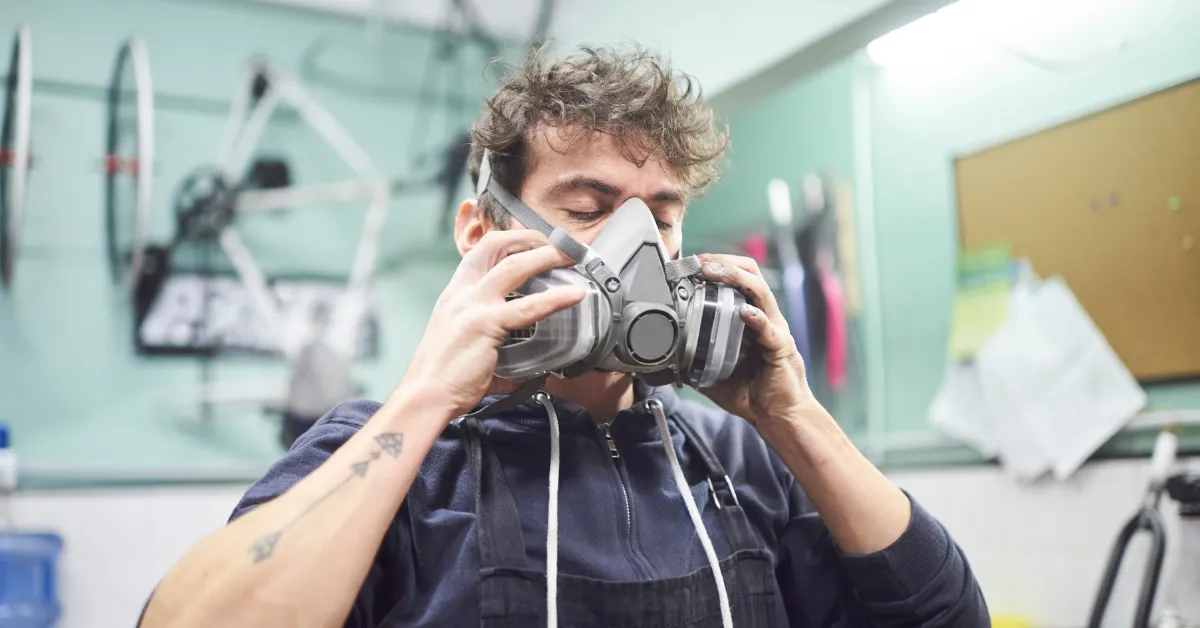
Respiratory equipment can be categorised into two main types: air-purifying respirators (APRs) and atmosphere-supplying respirators (ASRs).
Air-Purifying Respirators (APRs):
-
Disposable Respirators (N95, FFP2): These masks filter out particulates and are commonly used in healthcare and construction.
-
Half-Face Respirators: Cover the nose and mouth, equipped with replaceable filters for particulates, gases, and vapours.
-
Full-Face Respirators: Cover the entire face, providing a higher level of protection with similar filter options to half-face respirators.
-
Powered Air-Purifying Respirators (PAPRs): Use a battery-powered blower to pull air through filters, providing clean air to the user.
Understanding Respiratory Hazards
When choosing the right respiratory equipment, it's crucial to consider the required level of protection. Different environments and tasks may necessitate varying levels of protection, so assessing potential hazards is essential before selecting a respirator. Understanding the types of airborne contaminants is key to choosing the most effective gear. For instance, particulate respirators filter out dust and debris, while gas masks protect against chemical vapours and gases.

Comfort significantly impacts the proper use of respiratory equipment. Selecting gear with adjustable straps and ergonomic designs enhances comfort during extended wear. Consider factors like weight distribution and fit to prevent discomfort or gaps that could compromise safety. Regular maintenance and proper storage are vital for ensuring the equipment's effectiveness over time. Following manufacturer guidelines for cleaning and storing gear helps prolong its lifespan and maintains peak performance when needed most.
Types of Airborne Contaminants in Work Environments
- Dust: Common in construction, mining, and woodworking.
- ​​Fumes: Often found in welding and smelting operations.
- Toxic Chemicals: Present in industries such as pharmaceuticals and chemical manufacturing.
- Infectious Particles: Relevant in healthcare and laboratory settings.
Factors to Consider When Choosing Gear
- Hazard Assessment: Identify the type and concentration of contaminants.
- Fit and Comfort: Ensure a proper fit to prevent leaks and promote long-term wear.
- Filter Type and Efficiency: Match the filter to the specific contaminants.
- Work Environment: Consider conditions such as temperature and humidity.
- Regulatory Compliance: Ensure the equipment meets relevant safety standards.
- Maintenance and Durability: Assess the ease of maintenance and longevity of the equipment.
Proper Usage and Maintenance
Ensuring the proper use and maintenance of respiratory equipment is vital for its effectiveness.
Training on How to Use and Care for Equipment
-
Proper Fit Testing: Conduct regular fit tests to ensure a proper seal.
-
User Training: Educate workers on correct donning, doffing, and usage procedures.
-
Regular Maintenance: Follow manufacturer guidelines for cleaning, inspection, and part replacement.
-
Storage: Store equipment in clean, dry conditions to prevent contamination and damage.
Ensuring Compliance with Regulations
Compliance with occupational safety standards is essential for both legal and safety reasons.
Meeting Occupational Safety Standards
-
Regulatory Bodies: Ensure adherence to standards set by OSHA, NIOSH, and relevant EU regulations.
-
Documentation: Keep records of hazard assessments, fit tests, and training sessions.
-
Regular Audits: Conduct periodic audits to ensure ongoing compliance and address any issues promptly.
Proper respiratory protection is critical in safeguarding worker health in environments with airborne hazards. By understanding the types of respiratory equipment, key factors in selection, and proper usage and maintenance, you can ensure optimal safety for yourself and your team. Prioritising respiratory protection not only complies with regulations but also promotes a healthier, more productive workplace.
Check our wide range of respiratory protection!
Stay informed, stay protected, and always prioritise safety!
Don't forget to explore our extensive range of Safety Masks and Respirators to ensure your protection on the job. For more valuable safety tips and product insights, visit our blog. If you have any questions or need assistance, feel free to reach out to us at: customerservices@safetyworkwear.ie.
Hands-On Guide: Discover the Best Safety Gloves for Every Job and Hazard.
Safety gloves are an essential part of personal protective equipment (PPE) in several industries. Whether you're operating machinery, handling chemicals, working with heat, or involved in construction, choosing the right safety gloves is crucial for ensuring your safety and comfort. In this guide, we will explore the different types of safety gloves, their recommended uses, and specific classifications like Category 3 gloves. With this information, you’ll be well-equipped to select the perfect gloves for your needs and stay protected on the job.
How Many Types of Safety Gloves Are There?
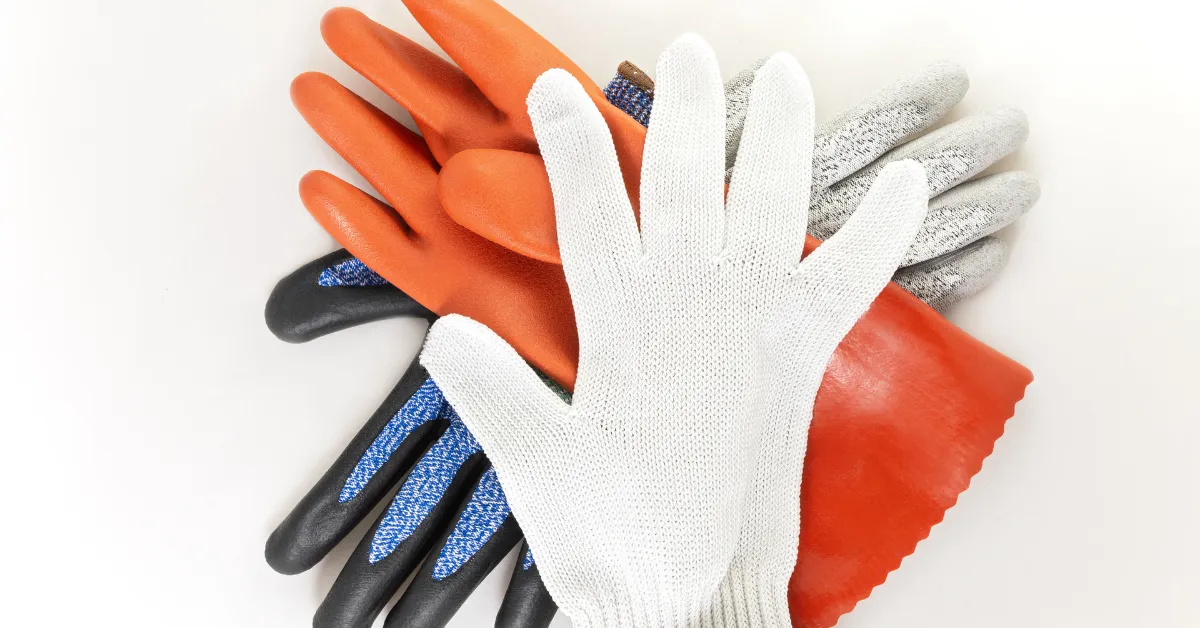
Safety gloves come in various types, each designed for specific hazards and applications. Here are the main categories:
Disposable Gloves:
-
Latex Gloves: Known for their flexibility and comfort, latex gloves are widely used in medical and laboratory settings. They provide good protection against biohazards and chemicals but may cause allergies in some users.
-
Nitrile Gloves: These gloves offer excellent chemical resistance and are a great alternative for those allergic to latex. They are commonly used in healthcare, food handling, and industrial applications.
-
Vinyl Gloves: Made from PVC, vinyl gloves are less durable than latex or nitrile but are cost-effective for short-term use. They are suitable for low-risk tasks like cleaning and food preparation.
Chemical-Resistant Safety Gloves for Industrial Use:
-
Butyl Gloves: Highly resistant to gases and chemicals, butyl gloves are used in chemical handling, hazmat response, and laboratory work.
-
Neoprene Gloves: These gloves provide good protection against acids, oils, and solvents. They are flexible and suitable for industrial and laboratory environments.
-
PVC Gloves: PVC gloves offer excellent resistance to abrasion, chemicals, and oils. They are commonly used in petrochemical, construction, and manufacturing industries.
Cut Resistant Gloves:
-
Kevlar Gloves: Made from strong synthetic fibres, Kevlar gloves provide excellent cut and puncture resistance. They are ideal for tasks involving sharp objects, such as glass handling and metal fabrication.
-
HPPE Gloves: High-performance polyethylene (HPPE) gloves offer superior cut resistance and are lightweight and comfortable. They are used in automotive, construction, and food processing industries.
-
Metal Mesh Gloves: Constructed from stainless steel mesh, these gloves provide the highest level of cut resistance. They are commonly used in meat processing and other high-risk cutting tasks.
Heat-Resistant Safety Gloves for Welding and Metalwork:
-
Aluminised Gloves: Designed to withstand high temperatures, aluminised gloves are used in foundries, welding, and glass manufacturing.
-
Heat Resistant Fabric Gloves: Made from materials like Kevlar or Nomex, these gloves provide protection against burns and heat exposure. They are used in industries like firefighting, automotive, and metalworking.
Best Impact-Resistant Safety Gloves for Construction Workers:
-
Thermoplastic Rubber (TPR) Gloves: These gloves feature TPR pads on the back of the hand and fingers to absorb impact. They are used in construction, oil and gas, and heavy machinery operations.
What Type of Gloves Are Recommended?

The recommended type of safety gloves depends on the specific hazards and tasks involved. Here are some general recommendations:
-
Medical and Laboratory Work: Nitrile or latex disposable gloves provide good protection against biohazards and chemicals.
-
Chemical Handling: Butyl, neoprene, or PVC gloves are suitable for handling hazardous chemicals and solvents.
-
Cut Hazards: Kevlar, HPPE, or metal mesh gloves offer excellent cut resistance for tasks involving sharp objects.
-
Thermal Hazards: Aluminised or heat-resistant fabric gloves protect against high temperatures and burns.
-
Electrical Work: Rubber insulating gloves are essential for protection against electrical shocks.
-
Impact Hazards: TPR gloves provide impact resistance in heavy-duty tasks.
What Are Category 3 Gloves?
Category 3 gloves, also known as complex design gloves, are designed to protect against the highest levels of risk. They are used in situations where there is a serious risk of injury or irreversible harm. These gloves must meet stringent standards and undergo rigorous testing to ensure their effectiveness. They are commonly used in industries like:
- Chemical Handling: Protect against highly hazardous chemicals.
- Electrical Work: Provide protection against high voltage.
- Firefighting: Protect against extreme heat and flames.
- Heavy Machinery Operation: Offer impact and cut resistance in high-risk environments.
Understanding EU Certifications for Safety Gloves

Safety gloves in the EU must adhere to specific standards to ensure adequate protection. Here are the main certifications in detail:
-
EN 420: This standard outlines the general requirements for glove construction, including design principles, fit, and dexterity. It ensures that gloves are comfortable to wear and are labelled correctly, providing essential information about their protection levels.
-
EN 388: This certification addresses protection against mechanical risks. It includes tests for abrasion resistance, cut resistance, tear resistance, and puncture resistance. Gloves are rated based on their performance in these tests, helping users select the appropriate gloves for their specific mechanical hazard needs.
-
EN 374: This standard focuses on protection against chemicals and microorganisms. It includes permeation and penetration tests to measure how well the glove material resists chemical breakthrough and prevents microorganisms from passing through. This certification is crucial for gloves used in chemical handling and laboratory work.
-
EN 407: EN 407 standard evaluates protection against thermal hazards such as heat and fire. It includes tests for resistance to flammability, contact heat, convective heat, radiant heat, small splashes of molten metal, and large quantities of molten metal. This certification is essential for gloves used in welding, foundries, and high-temperature environments.
-
EN 511: This certification deals with protection against cold, including both convective and contact cold. It tests the glove's thermal insulation properties and resistance to water penetration. Gloves with this certification are suitable for use in cold storage, outdoor work in winter, and other cold environments.
-
EN 12477: This standard specifies the requirements for gloves used in welding operations. It covers aspects such as resistance to small splashes of molten metal, thermal insulation, and mechanical protection. There are two types of welding gloves under this standard: Type A (for higher protection, less dexterity) and Type B (for lower protection, more dexterity).
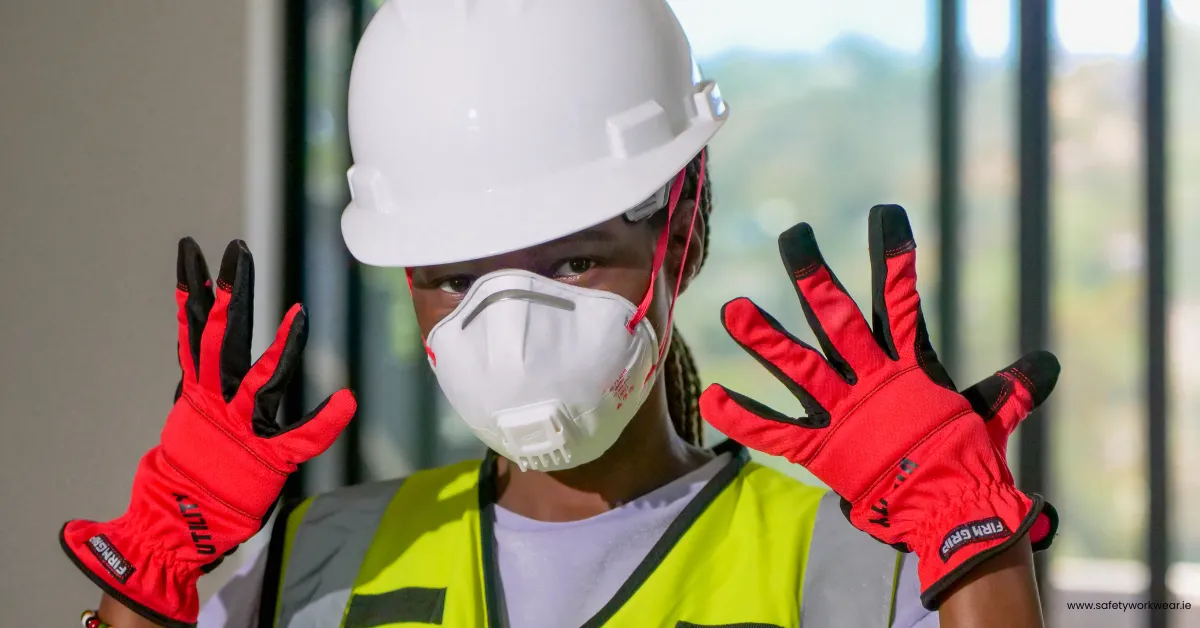
Safety gloves are a crucial component of personal protective equipment, offering protection against a wide range of hazards. By understanding the different types of gloves and their uses, you can select the right gloves for your specific needs. Whether you're handling chemicals, working with sharp objects, or exposed to extreme temperatures, there's a safety glove designed to protect you. Always prioritise quality and compliance with safety standards to ensure maximum protection and performance.
For more information on specific gloves, check out our articles on Anti-vibration gloves for machinery operators, Chemical-resistant safety gloves for industrial use, Heat-resistant safety gloves for welding and metalwork, and Best impact-resistant safety gloves for construction workers.
Stay informed, stay protected, and always prioritise safety!
Don't forget to explore our extensive range of Safety Gloves to ensure your protection on the job. For more valuable safety tips and product insights, visit our blog. If you have any questions or need assistance, feel free to reach out to us at: customerservices@safetyworkwear.ie
Busting PPE Myths: The Truth Behind Your Safety Gear
Personal Protective Equipment (PPE) is essential for ensuring safety in many workplaces, from construction sites to laboratories. However, despite its importance, there are several myths and misconceptions about PPE that can lead to improper usage and decreased safety. This guide will address these myths and provide crucial information about PPE regulations in Ireland, the lifespan of PPE, common types of PPE, maintenance and storage guidelines, and best practices for selecting the appropriate PPE for different tasks.
What Regulations Apply to PPE in Ireland?

In Ireland, PPE is regulated to ensure that it meets certain safety standards. The key regulations include:
-
Safety, Health and Welfare at Work Act 2005: This act requires employers to ensure the safety, health, and welfare of their employees, which includes providing appropriate PPE.
-
European Union (Personal Protective Equipment) Regulations 2018: These regulations ensure that PPE placed on the market complies with basic health and safety requirements and bears the CE mark, indicating conformity.
Employers must perform risk assessments to identify hazards and determine the necessary PPE. They are also responsible for providing training on the correct use and maintenance of PPE.
Myth 1: PPE Is Uncomfortable and Reduces Productivity

One of the most persistent myths about PPE is that it’s uncomfortable and hinders productivity. While it’s true that early designs of PPE may have been bulky or uncomfortable, modern advancements have led to PPE that is both comfortable and functional. Today’s PPE is designed with ergonomic features, breathable materials, and adjustable fittings to ensure maximum comfort. When properly fitted, PPE should not impede your ability to work but rather enhance your productivity by keeping you safe and focused.
Myth 2: If You're Careful, You Don’t Need PPE
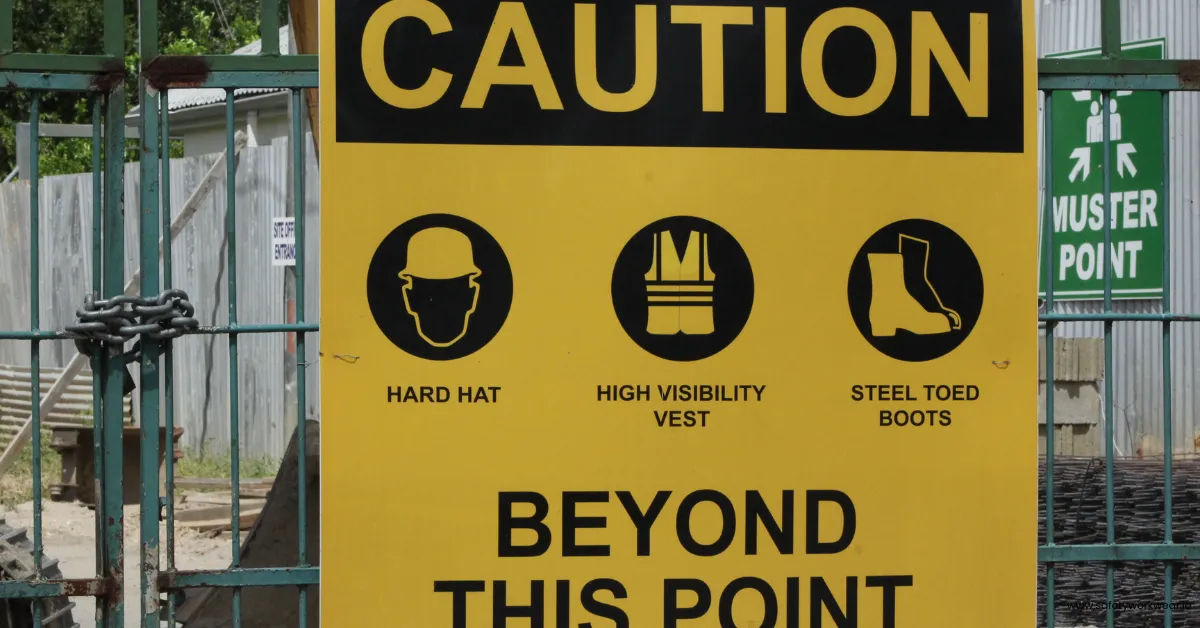
Many believe that being cautious is enough to prevent workplace accidents, rendering PPE unnecessary. However, no matter how careful you are, accidents can still happen. PPE acts as the last line of defense against unforeseen hazards. For example, even the most vigilant worker might encounter unexpected debris or chemical splashes that PPE can protect against.
Myth 3: All PPE Is the Same

Another common misconception is that all PPE offers the same level of protection. In reality, PPE is specifically designed to protect against certain hazards. For example, safety goggles protect against flying particles and chemical splashes, while a face shield offers protection against more significant impacts. It’s crucial to select the appropriate PPE for the specific hazards present in your work environment.
Myth 4: PPE Is Only Necessary for High-Risk Jobs

Some workers believe that PPE is only essential for high-risk occupations like construction or firefighting. However, PPE is important in a wide range of jobs. Office workers might need ergonomic supports, while healthcare workers require gloves and masks to prevent the spread of infections. Every workplace has its own set of hazards, and PPE is designed to mitigate these risks, no matter the industry.
Myth 5: PPE Is a One-Size-Fits-All Solution

Many think that PPE is one-size-fits-all, which can lead to improper usage and reduced protection. PPE must be properly fitted to each individual to ensure maximum effectiveness. Ill-fitting PPE can be uncomfortable and may not provide the intended protection, increasing the risk of injury. Employers should provide proper training and fitting sessions to ensure that all workers have PPE that fits correctly.
Myth 6: PPE Can Be Worn Indefinitely Without Replacement

There’s a misconception that PPE, once provided, can be used indefinitely. In reality, PPE has a limited lifespan and must be regularly inspected and replaced as needed. For instance, hard hats should be replaced every five years or sooner if they sustain damage. Disposable items like gloves and masks should be replaced after each use. Regular maintenance and timely replacement of PPE are crucial for maintaining its protective capabilities.
Myth 7: PPE Is Only for Personal Protection

While PPE is primarily designed to protect the wearer, it also plays a crucial role in protecting others. For example, masks and gloves in healthcare settings prevent the spread of infections to patients and colleagues. In industrial settings, wearing the correct PPE can prevent accidents that could harm co-workers. Thus, PPE is not only about individual safety but also about maintaining a safe environment for everyone.
Understanding the truth behind these common myths about PPE is essential for ensuring safety in the workplace. By debunking these misconceptions, we can promote better usage and appreciation of PPE, leading to safer and more productive work environments. Always remember, PPE is an investment in your health and safety, and using it correctly is key to preventing injuries and accidents.
Additional tips to keep in mind:
What Is the Lifespan of Different Types of PPE?

The lifespan of PPE varies depending on the type, usage, and maintenance. Here’s a general guide:
-
Head & Face Protection such as Helmets and Hard Hats: Up to 5 years. Replace sooner if damaged.
-
​Safety Glasses and Goggles: 2-3 years. Replace if scratched or damaged.
-
Ear Protection: Disposable earplugs after each use; reusable ones can last several months.
-
Respirators and Masks: Disposable masks after each use; reusable respirators’ filters need changing every 30-60 hours of use.
-
Gloves: Disposable gloves after each use; reusable gloves last a few weeks to months.
-
Protective Clothing: Disposable after single use; reusable clothing lasts several months to a year.
-
Safety Footwear: 6-12 months depending on usage.
PPE Maintenance and Storage Guidelines

Proper maintenance and storage of PPE are crucial to ensure its effectiveness. Here are some guidelines:
-
Inspect Regularly: Check PPE before and after use for any signs of wear or damage.
-
Clean Properly: Follow manufacturer instructions for cleaning to avoid damaging the protective qualities.
-
Store Correctly: Keep PPE in a clean, dry place away from direct sunlight and chemicals.
-
Replace When Necessary: Don’t delay replacing PPE that shows signs of wear or damage.
What Are the Best Practices for Selecting the Appropriate PPE for Different Tasks?

Selecting the right PPE involves considering the specific hazards of the task. Best practices include:
-
Conducting Risk Assessments: Identify potential hazards and determine the necessary PPE.
-
Consulting Standards and Regulations: Ensure the PPE meets regulatory standards.
-
Fitting and Comfort: Choose PPE that fits well and is comfortable to wear.
-
Training and Education: Provide training on the correct use, maintenance, and limitations of the PPE.
-
Reviewing and Updating PPE Regularly: Regularly review and update PPE to ensure it continues to provide adequate protection.
Ready to upgrade your safety gear? Check out our extensive range of PPE options on our website and ensure you’re protected with the best.
Stay informed, stay protected, and always prioritise safety!
Don't forget to explore our extensive range of Safety PPE to ensure your protection on the job. For more valuable safety tips and product insights, visit our blog. If you have any questions or need assistance, feel free to reach out to us at: customerservices@safetyworkwear.ie